Introduction
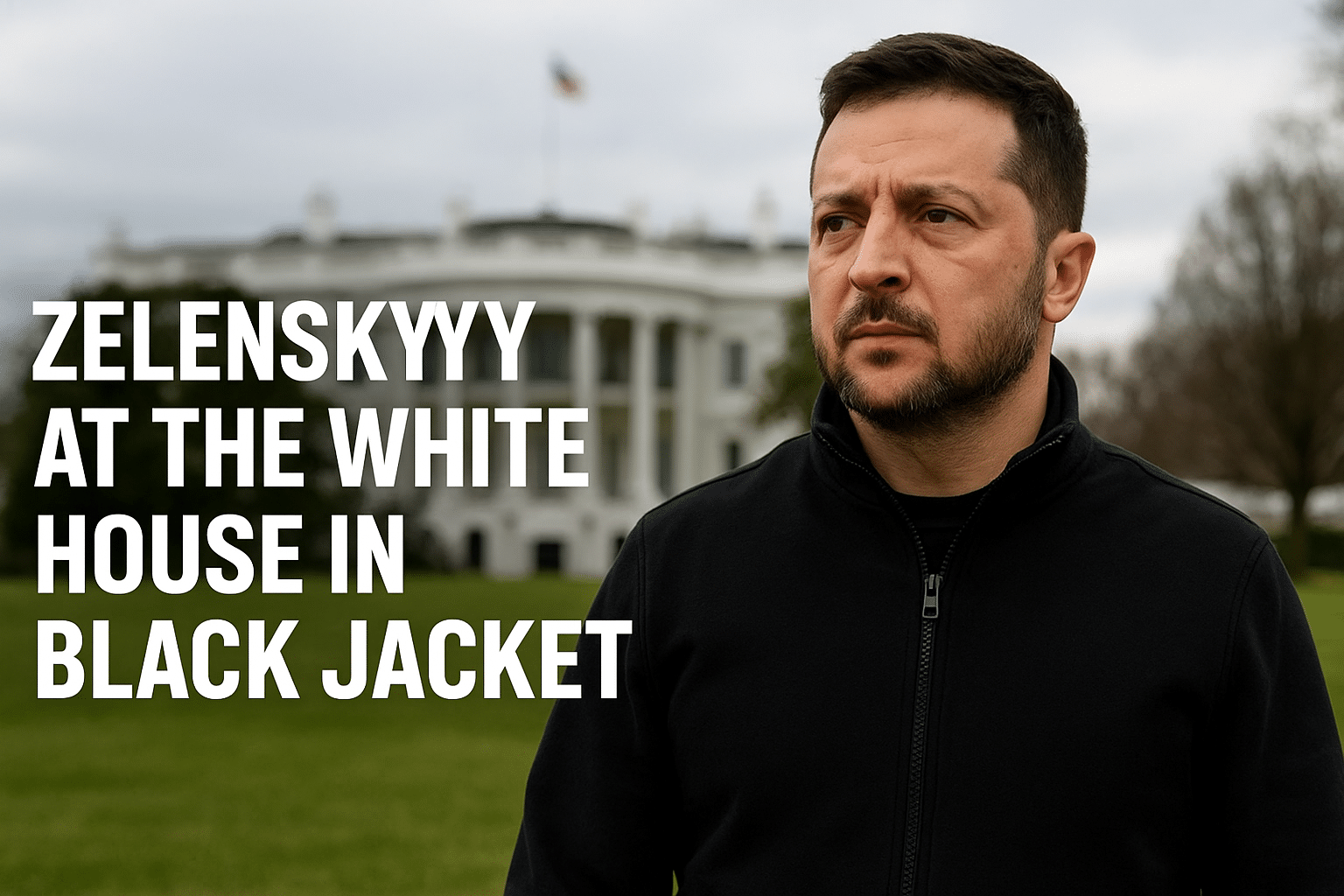
When Zelenskyy at the White House in black jacket appeared before global leaders, it was more than a fashion statement—it reflected a cultural shift. Today, tech companies increasingly value flexible work policies, hybrid schedules, and approachable leadership, and Zelenskyy’s attire perfectly mirrors these trends. For international students and tech professionals, this evolution offers new opportunities to thrive in a skills-first, adaptable environment.
Key Points
- Zelenskyy’s black jacket symbolizes flexible leadership in tech.
- Hybrid and remote work trends are reshaping workplace culture.
- International students benefit from remote internships and skill-based hiring.
- Casual attire communicates openness, accessibility, and adaptability.
- Companies are revising dress codes to prioritize comfort without compromising professionalism.
Table of Contents
Background / Context
The image of Zelenskyy at the White House in black jacket immediately resonated with the tech community. For decades, tailored suits defined authority. Today, flexible office hours, remote-first policies, and casual dress codes are becoming standard. High-profile appearances like Zelenskyy’s highlight the growing acceptance of adaptable leadership, coinciding with a surge in hybrid work arrangements.
Key Developments
Since the Russian invasion of Ukraine in 2022, Zelenskyy’s wardrobe has evolved dramatically—from classic suits to sweatshirts, cargo pants, and most recently, a minimalist black jacket.
- Casual Leadership Signals: A 2025 Gartner survey found that 78% of C-suite executives believe casual attire conveys openness and approachability for distributed teams.
- Digital Nomad Boom: Statista reports that by 2026, 55% of tech employees will work at least one day a week remotely.
- Company-Wide Dress Codes: Leading firms like Alphabet, Microsoft, and Amazon have implemented “Professional Comfort” policies that blend casual attire with business readiness.
- HR Perspective: Managers are encouraged to lead by example, emulating the casual yet professional style of modern tech mentors.
On the same day as Zelenskyy at the White House in black jacket, European and U.S. officials gathered, while the tech community embraced informal networking and digital collaboration—further reinforcing the value of flexible leadership.
Also read: Putin and Trump’s Alaska Summit
Impact Analysis
For international students, the symbolism of Zelenskyy at the White House in black jacket extends beyond fashion. Global mobility is limited by travel restrictions, visa delays, and slow pandemic recovery. Flexible work practices allow students to participate in remote internships and distributed projects.
- Reduced Barriers to Entry: Remote roles remove the need for costly relocation.
- Skill-Based Hiring: Employers prioritize portfolios, hackathon achievements, and project contributions over formal attire.
- Personalized Learning Paths: Flexible platforms enable real-time practice and continuous improvement.
- Work-Life Balance: Flexible schedules help students balance academics and part-time or research work.
McKinsey reports suggest flexible work can increase productivity by up to 30% and reduce overhead by 25%, translating into better compensation and onboarding experiences for students.
Expert Insights / Tips
International students can take advantage of the evolving tech landscape, as highlighted by Zelenskyy at the White House in black jacket:
- Build a Digital Portfolio: Showcase at least three open-source projects on GitHub and LinkedIn.
- Prepare for Remote Interviews: Practice coding on platforms like LeetCode, HackerRank, or CodeSignal.
- Develop Cultural Competence: Highlight experience collaborating with distributed teams.
- Dress Smartly for Video Calls: Maintain a professional look from the torso up and use a neutral background.
- Highlight Remote Work Experience: Include “remote” or “hybrid experience” in your CV to emphasize cross-border collaboration skills.
Executive coach Javier Gómez notes: “Leaders adopting flexible attire often pioneer flexible policies. Students should demonstrate adaptability through cross-border projects and open-source contributions.”
Looking Ahead
The choice of Zelenskyy at the White House in black jacket may set a precedent for leadership in tech. By 2027, 70% of tech firms are expected to adopt casual dress codes for all employees. Governments are also reviewing remote work policies, making global tech opportunities more accessible to international students.
In conclusion, Zelenskyy’s sartorial choice is more than a headline—it symbolizes a flexible, inclusive, and skills-focused workforce, where capability matters more than formality. Students and professionals can take inspiration, knowing that adaptability, results, and collaboration define success in today’s digital age.
FAQs
Q1: Why did Zelenskyy wear a black jacket at the White House?
Ans: Zelenskyy’s black jacket represents the growing trend of flexible, approachable leadership in tech and corporate environments, highlighting skills and adaptability over formal attire.
Q2: How is flexible work shaping tech culture?
Ans: Flexible work, including remote and hybrid schedules, is transforming workplaces to prioritize productivity, inclusivity, and employee well-being, rather than rigid office presence.
Q3: What opportunities does this trend create for international students?
Ans: Remote internships and hybrid roles allow international students to participate in global projects, gain experience, and showcase skills without relocating, expanding career possibilities.
Q4: What is the long-term impact of flexible work on global tech jobs?
Ans: By 2027, most tech companies are expected to adopt casual dress codes and flexible schedules, creating more inclusive opportunities for talent worldwide, especially international students.