Table of Contents
White House Endorses Trump for Nobel Peace Prize
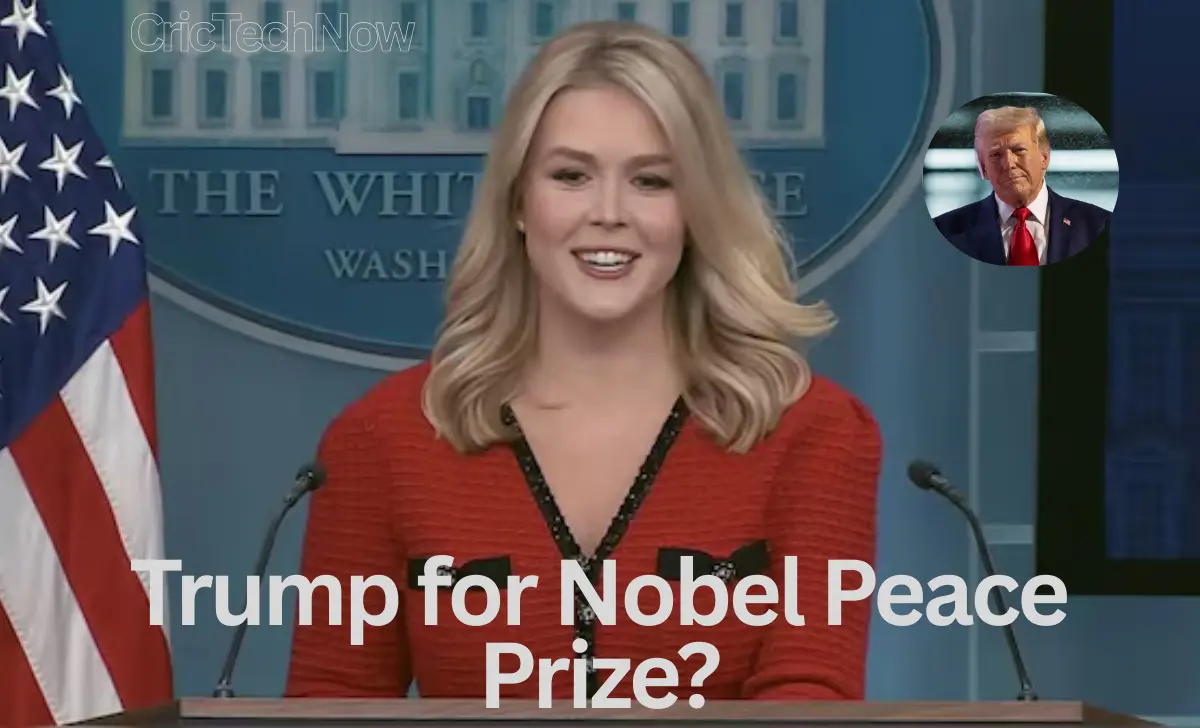
In late July and early August 2025, White House Press Secretary Karoline Leavitt asserted that President Donald Trump has brokered the resolution of six international conflicts within his first six months in office, including the India–Pakistan conflict, and therefore “it is well past time that he should be awarded the Nobel Peace Prize”
The Conflicts Listed by the Administration
Leavitt specifically cited six conflict zones where Trump allegedly played a mediating role:
- Thailand and Cambodia
- Israel and Iran
- Rwanda and the Democratic Republic of Congo
- India and Pakistan
- Serbia and Kosovo
- Egypt and Ethiopia
She claimed on average the administration brokered one peace deal per month during this period.
Focus on India–Pakistan: What Really Happened?
The Broader International Context
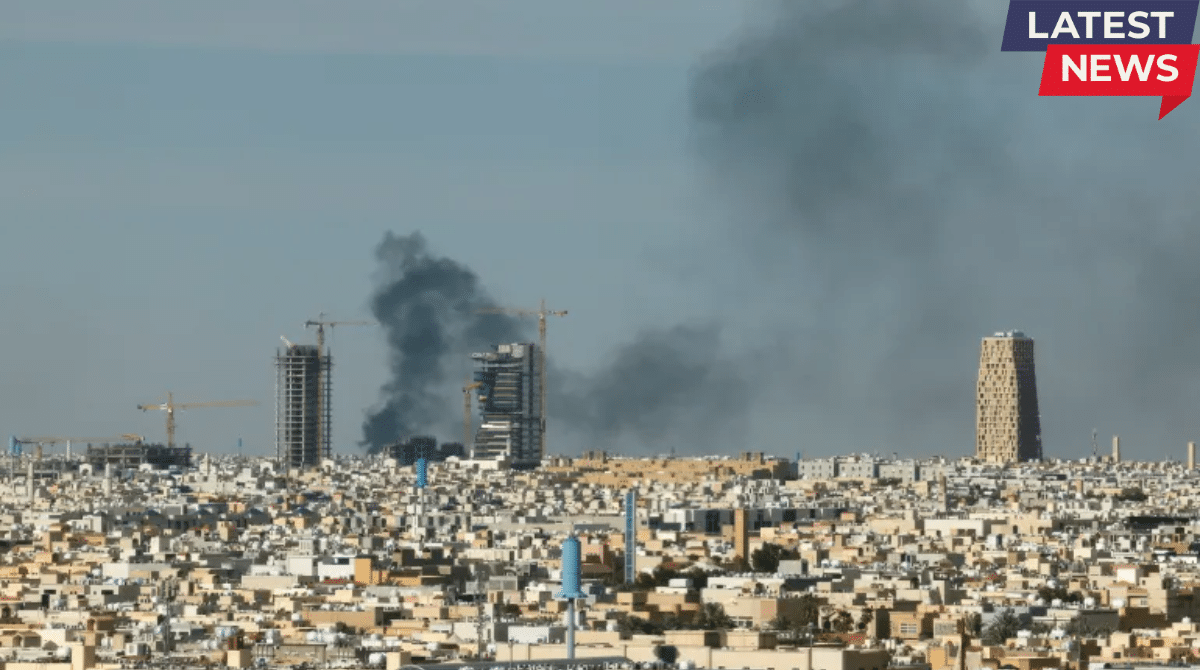
Following a terror attack in Pahalgam in Kashmir in late April 2025 and ensuing Operation Sindoor by India, hostilities escalated rapidly. By May 10, 2025, the two countries officially agreed to a full and immediate ceasefire
U.S. Involvement: Perspective from Washington
White House messaging credits indirect U.S. involvement: Vice President J.D. Vance and Secretary of State Marco Rubio reportedly communicated with Indian and Pakistani officials to encourage de-escalation and dialogue. President Trump then took public credit via social media and press statements Pakistan’s leadership, including Prime Minister Shah Sharif, publicly praised Trump’s “pivotal role” in facilitating the truce
India’s Denial of Third‑Party Mediation
India strongly rejected the narrative that any foreign leader—or Trump specifically—guided the ceasefire. Prime Minister Narendra Modi and External Affairs Minister S. Jaishankar repeatedly emphasized that the ceasefire was negotiated bilaterally, and that no external leader requested or influenced India’s actions, pointing to standard defense and intelligence briefings only Money control
Nobel Peace Prize Nomination Status
- Pakistan formally nominated Trump for the Nobel Peace Prize in June 2025, citing his role in de-escalating the India–Pakistan conflict.
- Separately, Cambodia announced plans to nominate Trump, referencing his intervention in the Thailand–Cambodia border conflict, where he allegedly helped broker a ceasefire by pressing both governments through trade leverage.
- Additionally, Israeli Prime Minister Benjamin Netanyahu supported Trump’s consideration for the prize as recognition for moderating tensions in the Middle East.
Analyzing the Nomination: Pros and Cons
| ✔️ Arguments For | ❌ Criticisms & Limitations |
|---|---|
| Trump administration cites multiple conflict resolutions across continents. | India firmly denies U.S. mediation, making the central claim contested. |
| Calls from Pakistan, Cambodian leaders, and allies lend formal support. | Experts argue many outcomes were symbolic or driven by local diplomacy, with U.S. leverage sometimes framed diplomatically rather than operationally |
| Supports a broader “Trump Doctrine” narrative of assertive, unconventional diplomacy | Skeptics—such as analysts Brahma Chellaney and Derek Grossman—decry the campaign as optics over substance, questioning durability and impartiality of outcomes |
Final Thoughts
While the White House firmly asserts that President Trump deserves a Nobel Prize based on his administration’s global peace diplomacy, the Indian government has unequivocally refuted the claim of U.S. intervention in the India–Pakistan ceasefire. External praise from Pakistan, Cambodia, and Israeli leadership combines with strong critical perspectives from analysts to form a complex, contested narrative.
Whether Trump ultimately attracts Nobel attention will depend on how the Nobel Committee evaluates attribution, the depth of mediation, and the longevity of peace agreements—not just bold claims. The debate highlights how modern diplomacy increasingly values not only result, but also perception and global messaging.
FAQs:
Q1 Why is Donald Trump being considered for the Nobel Peace Prize in 2025?
According to White House Press Secretary Karoline Leavitt, Donald Trump is being considered for the 2025 Nobel Peace Prize due to his administration’s role in resolving six international conflicts, including between India and Pakistan. The White House claims these peace efforts occurred within his first six months in office.
Q2 Did Trump really end the India–Pakistan conflict?
The White House credits Trump’s diplomacy with helping secure a ceasefire between India and Pakistan after tensions escalated in April 2025. However, India has firmly denied any external mediation, stating the resolution was bilaterally negotiated without third-party involvement.
Q3 Who decides the Nobel Peace Prize winners?
The Norwegian Nobel Committee, appointed by the Norwegian Parliament (Storting), decides the winners of the Nobel Peace Prize each year. Nominations can be submitted by select individuals and organizations, but the final decision rests solely with the Committee.
Q4 What is India’s stance on Trump’s peace claims?
India’s government has rejected claims of Trump’s involvement in the India–Pakistan ceasefire. Officials, including PM Narendra Modi and the Ministry of External Affairs, emphasized that peace efforts were strictly bilateral and no foreign power influenced the agreement.
Q5 When will the 2025 Nobel Peace Prize winner be announced?
The Nobel Peace Prize for 2025 will be announced in October 2025 by the Norwegian Nobel Committee in Oslo. The prize ceremony will follow in December 2025, aligning with Nobel tradition.