The United States is once again battling extreme weather conditions as snowstorms, dust storms, and powerful winds sweep across multiple regions. Just as communities begin recovering from recent tornado damage, another round of severe weather events has created new challenges for residents, emergency teams, and infrastructure.
From the Midwest to the Southern Plains, authorities are warning of dangerous travel conditions, possible power outages, and continued risks from unstable weather systems. The latest storm system highlights the growing unpredictability of extreme climate patterns affecting large parts of the country.
Key Highlights
- Severe weather system impacts multiple U.S. states
- Snowstorms and blizzard conditions in northern regions
- Dust storms create dangerous visibility issues
- Powerful winds damage infrastructure and power lines
- Communities continue recovering from recent tornado destruction
- Travel disruptions reported across airports and highways
- Emergency teams working to restore essential services
Severe Weather System Sweeps Across the U.S.
A massive weather system moving across the country has brought blizzard conditions, strong winds, and massive dust storms to several states. Meteorologists say the system is powered by a strong clash between cold Arctic air and warmer southern air masses, creating unstable atmospheric conditions.
These storms have already caused:
- Blizzard-like snowfall in northern states
- Dust storms across dry regions
- High wind speeds exceeding 70 mph in some areas
- Travel disruptions and flight delays
While snow is impacting the northern regions, the southern and central states are experiencing powerful windstorms, increasing the risk of falling trees and damaged power lines.
Tornado Recovery Efforts Continue
Many communities are still dealing with the aftermath of recent tornadoes. Homes have been destroyed, businesses damaged, and infrastructure heavily impacted.
Recovery teams are working around the clock to:
- Clear debris from roads
- Restore electricity and water supplies
- Provide emergency shelter for affected families
- Assess structural damage in neighborhoods
Local authorities have urged residents to remain cautious because unstable weather conditions can slow recovery operations.
Emergency management agencies say rebuilding will take time, especially in areas where multiple tornadoes struck within hours.
Dust Storms Create Dangerous Conditions
In parts of the Southern Plains and desert regions, massive dust storms have reduced visibility on highways to near zero.
These storms occur when strong winds pick up loose soil from dry land, creating thick clouds of dust that can travel miles.
Drivers have been advised to:
- Avoid highways during severe dust storms
- Use headlights when visibility drops
- Pull over safely if visibility becomes zero
Dust storms not only affect transportation but also pose health risks, especially for people with respiratory conditions.
Blizzard Conditions in Northern States
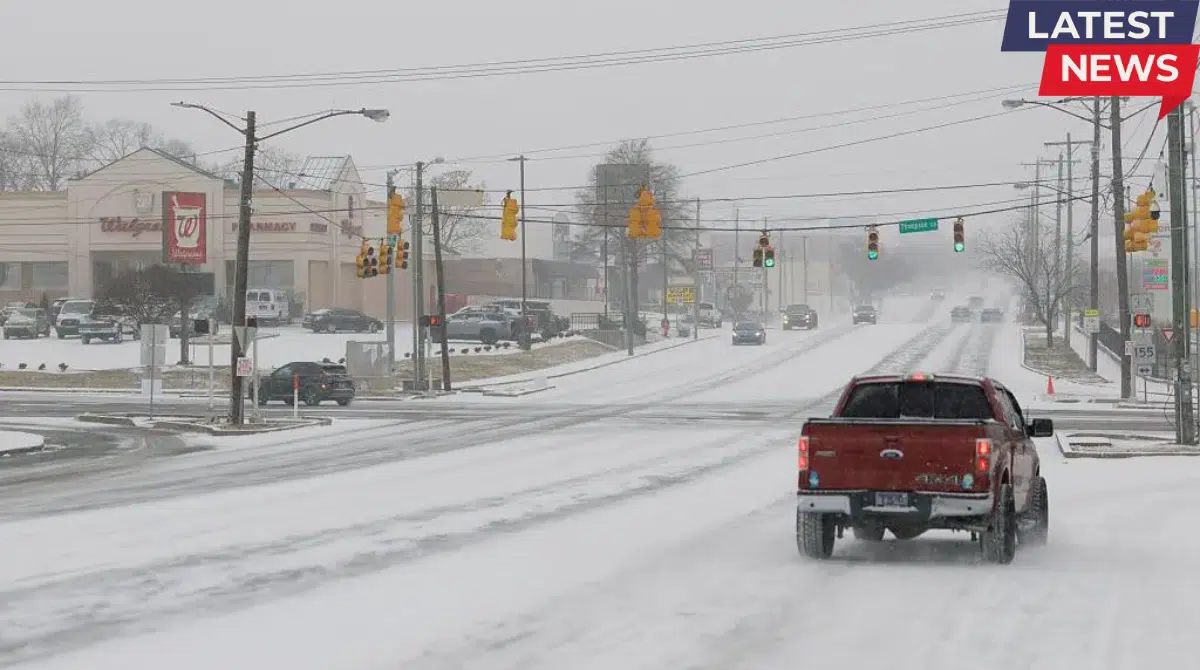
At the same time, several northern states are experiencing heavy snowfall and freezing temperatures.
Meteorologists warn that these conditions can lead to:
- Snow-covered highways
- Flight cancellations
- School closures
- Increased accident risks
The combination of strong winds and snowfall can create blizzard conditions where visibility becomes extremely limited.
Residents are advised to stock emergency supplies and avoid unnecessary travel during peak storm hours.
Powerful Winds Damage Infrastructure
One of the most damaging elements of the storm system is extreme wind speeds. Gusts reaching over 60–70 mph have been reported in several regions.
These winds have the potential to:
- Knock down power lines
- Uproot trees
- Damage roofs and buildings
- Disrupt transportation networks
Utility companies are preparing emergency crews to restore electricity as quickly as possible if outages occur.
Impact on Travel and Transportation
Airlines, road authorities, and railway services are closely monitoring the weather conditions. Severe storms have already caused flight delays and cancellations in major airports.
Highways in affected states have also issued warnings due to:
- Low visibility from dust storms
- Icy road surfaces
- Strong crosswinds affecting large vehicles
Travelers are encouraged to check weather updates before planning long-distance trips.
Emergency Preparedness and Safety Measures
Officials are urging residents to follow safety guidelines during severe weather events.
Important safety tips include:
- Stay indoors during extreme winds or dust storms
- Keep emergency supplies ready
- Charge mobile phones and backup batteries
- Avoid driving during severe weather alerts
- Monitor official weather updates
Climate Patterns and Increasing Extreme Weather
Experts say the frequency of severe weather events in the U.S. has increased in recent years.
Factors contributing to this trend include:
- Changing climate patterns
- Rising global temperatures
- Increased atmospheric instability
The combination of these factors can produce stronger storms, heavier rainfall, and more intense tornado outbreaks.
Researchers continue studying these patterns to better predict future weather events and improve early warning systems.
Communities Show Resilience During Crisis
Despite the challenges posed by extreme weather, communities across the United States have shown remarkable resilience.
Volunteers, local organizations, and emergency workers are coming together to help affected families by providing:
- Food and emergency supplies
- Temporary shelters
- Cleanup assistance
- Emotional support for disaster victims
This collective effort highlights the strength and unity of communities during natural disasters.
What to Expect in the Coming Days
Weather experts believe the storm system will continue moving eastward over the next few days. Some areas may experience improving conditions, while others could still face severe weather threats.
Meteorologists are closely monitoring the system to provide timely updates and warnings.
Residents in affected regions are advised to:
- Follow official weather alerts
- Prepare for sudden weather changes
- Stay informed through local news and emergency notifications
Conclusion
The latest wave of violent weather across the United States serves as a powerful reminder of the impact extreme weather can have on communities and infrastructure.
With snowstorms, dust storms, and powerful winds hitting multiple regions simultaneously, emergency teams are balancing both recovery efforts and new weather threats.
While the situation remains challenging, preparedness, community support, and effective emergency response will play a crucial role in helping affected regions recover and stay safe.