Suicide bombing at shrine in Islamabad struck during prayers, killing 69 people and injuring 169 others at a Shia mosque in the capital. The blast happened at Tarlai Imambargah in Shehzad Town on the city’s edge.This attack shakes Pakistan’s safety and shows big gaps in security at crowded places. It affects everyone from local families to global watchers, as such blasts can spread fear fast. This article breaks down the facts, response, and how AI security tech could help stop future threats.
key summary
- 69 killed, including many women and children praying inside.
- 169 injured, overwhelming hospitals in a city-wide emergency.
- Suicide bomber detonated at the main gate during Friday prayers.
- Happened at Shia shrine Tarlai Imambargah in Shehzad Town, Islamabad outskirts.
- No group claimed it yet, but points to Shia shrine attack patterns in Pakistan.
- Quick probe started by police and bomb squad on site.
Suicide Bombing at Shrine in Islamabad: Full Details
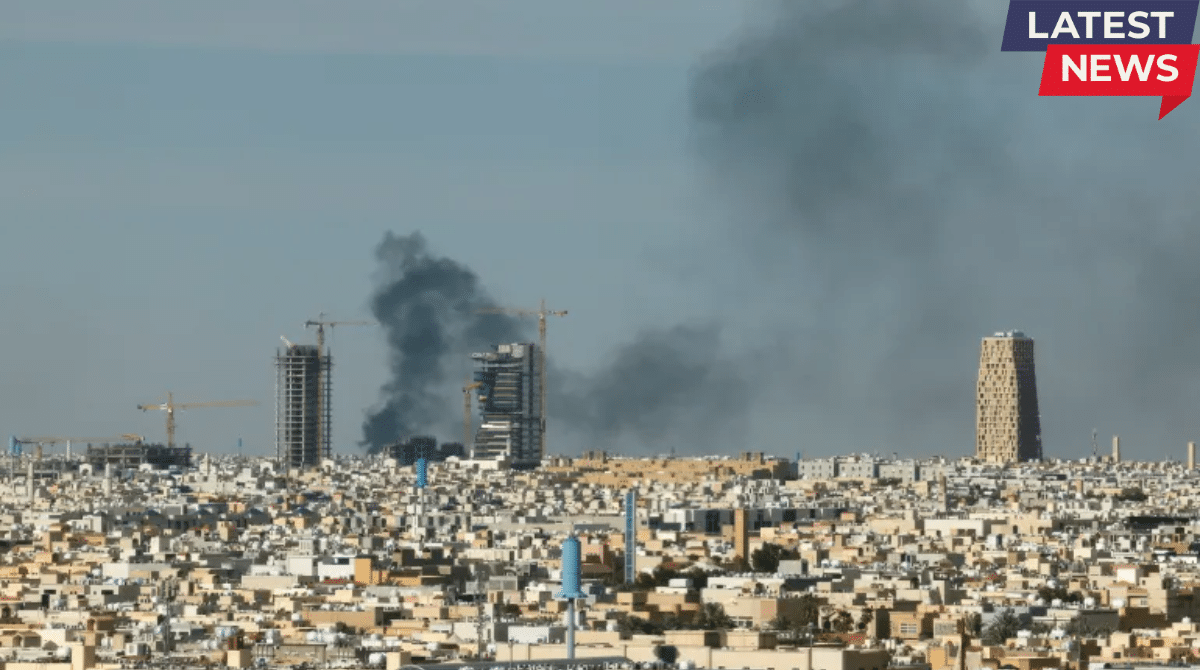
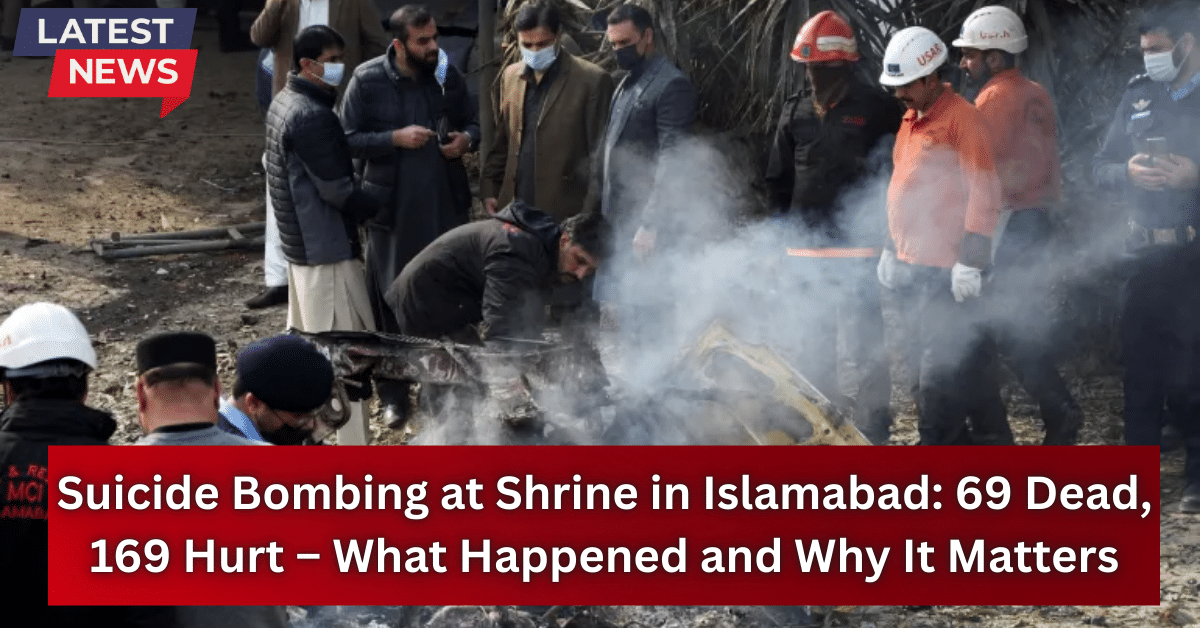
The explosion rocked the shrine around midday on Friday. People had gathered for weekly prayers when the suicide bomber walked up to the entrance and blew himself up. Eyewitnesses heard a huge boom and saw smoke rise high. Bodies lay scattered, and the wounded cried for help amid broken walls and debris.
Rescue teams rushed in right away. Ambulances took the hurt to nearby hospitals like Polyclinic and PIMS. Doctors worked non-stop, treating burns, cuts, and blast wounds. Many victims were in bad shape, with some still fighting for life into the night.
Islamabad casualties climbed fast as more bodies were pulled from rubble. Officials first said 30 dead, then 50, and by evening it hit 69. The injured count passed 169, making it one of the worst Pakistan shrine violence hits in years. Families waited outside hospitals, hoping for good news on loved ones.
Blast Location and Target
Tarlai Imambargah in Shehzad Town
This Shia shrine draws hundreds for prayers each week. It sits in a busy area on Islamabad’s edge, easy for crowds but hard to watch fully. The bomber picked the gate, where security checks are light during peak times.
Past attacks hit similar spots. Shia shrine attack groups often target such places to spark fear among sects. This one came amid rising tensions, though no clear trigger stood out.
Local leaders called it a cowardly act against peace. The shrine’s walls now bear black marks from the blast, a sad sign of the violence.
Official Response and Probe
Police sealed the area fast. Bomb experts checked for more devices and gathered bits of the bomber’s vest. Early signs point to high explosives packed with nails for max harm.
Pakistan’s top officials condemned it. The prime minister vowed quick justice and better safety steps. Hospitals got extra staff and blood supplies in the blast response measures.
Security went up across Islamabad. Checkpoints popped up at other shrines and mosques. People stayed indoors as fear spread through the city.
Impact on Families and City
The toll hits hard. Many dead were regular visitors – fathers, mothers, kids. One man lost his wife and two daughters in seconds. Hospitals filled with cries and grief.
The economy took a hit too. Shops near Shehzad Town shut down. Tourists skipped the capital, hurting local business.
For Pakistanis, it brings back bad memories of past blasts. Trust in safety drops, making daily life tense.
Counter-Terrorism AI: Lessons from This Attack
Now, let’s look at tech fixes. Counter-terrorism AI tools could spot threats early and save lives. These systems use cameras and data to watch crowds.
AI Surveillance Tech in Action
Smart cameras with AI scan faces and odd bags. They flag lone walkers or fast movements at shrines. In other places, such tech cut attacks by alerting guards quick.
Pakistan already tests security surveillance tech. Drones fly over big events, spotting risks from above. AI apps check social media for threat talks before they turn real.
Bold steps like these could shield places like Tarlai Imambargah. Governments pair AI with human teams for best results.
Why AI Fits Pakistan Needs
With many shrines and markets, manual checks fall short. AI security tech runs 24/7, tiring never. It learns from past blasts, getting smarter each time.
Costs drop now, making it doable for cities like Islamabad. Training locals to use these tools boosts jobs too.
For more on AI tools for security surveillance, check our guide. See how AI detects threats early.
Broader Security Challenges
Suicide bomber Pakistan cases link to groups hiding in tough areas. They plan in secret, striking soft targets like shrines.
Better intel sharing helps. AI crunches data from phones and chats to map networks.
Global aid flows in after such hits. Tech from allies speeds up Pakistan shrine violence fixes.