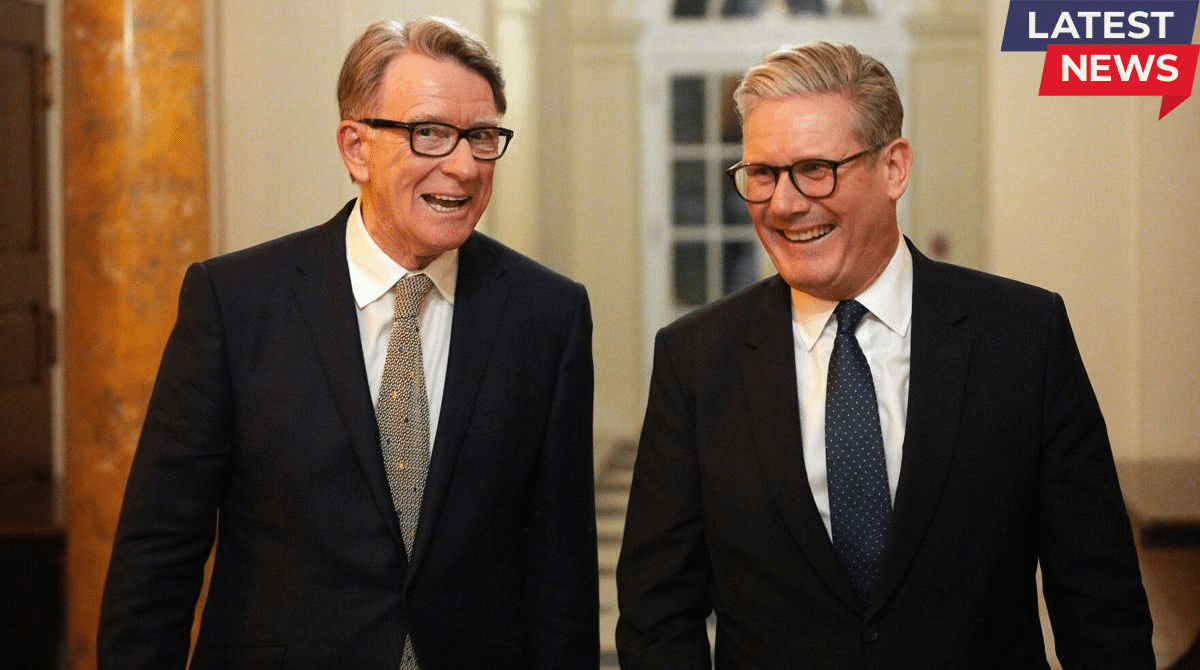
In a tense Prime Minister’s Questions session, UK Prime Minister Sir Keir Starmer dodged direct queries about his pre-appointment talks with Lord Peter Mandelson over the latter’s controversial friendship with Jeffrey Epstein. The exchange highlighted ongoing scrutiny over reputational risks, vetting lapses, and government transparency in the Epstein scandal. Opposition Leader Kemi Badenoch pressed Starmer relentlessly, accusing him of evading accountability following the release of damning documents.
Key Highlights / Takeaways
- Evasive PMQs Exchange: Starmer sidestepped direct queries on pre-appointment talks with Mandelson, relying on aide vetting amid opposition pressure.
- Epstein Ties Exposed: Documents reveal Mandelson’s “close” post-2009 conviction links, including stays at Epstein’s home and shared JPMorgan report with Prince Andrew.
- Timeline Fallout: From 2026 US file releases to Mandelson’s resignation, Labour faced resignations, apologies, and calls for peerage reform.
- Political Damage: Conservatives weaponize scandal for ethics attacks; Starmer vows transparency but faces cover-up accusations.
- Broader Impact: Strains UK-US ties, highlights vetting flaws, echoes past Mandelson scandals in Westminster.
Epstein-Mandelson Friendship Under Spotlight
Documents released last week exposed warnings to Starmer about Mandelson’s close ties to Epstein, the convicted sex offender who died in 2019. A due diligence report from civil servants flagged their relationship spanning from 2002, when Mandelson reportedly facilitated Epstein’s meeting with then-PM Tony Blair, through 2019. Key revelations included Mandelson allegedly staying at Epstein’s residence while the financier was jailed in 2009 for sexual offenses involving a minor.
The report, commissioned by US bank JPMorgan, described a “particularly close relationship” between Epstein, Mandelson, and Prince Andrew. Despite these red flags, Mandelson was appointed UK ambassador to Washington last year before resigning in September amid escalating backlash. Starmer later admitted the vetting process highlighted an “ongoing” connection but claimed Mandelson downplayed it during questioning.
Starmer’s Evasive Response in Parliament
During Wednesday’s PMQs, Badenoch demanded a yes-or-no answer: Did Starmer personally speak to Mandelson about Epstein before the nomination? Starmer sidestepped, reiterating that his chief of staff, Morgan McSweeney, handled inquiries while he relied on official vetting. Critics labeled this a swerve, pointing to The Times reports that no direct conversation occurred.
Badenoch accused the government of timing document releases to dodge scrutiny, stating, “The Prime Minister attempted to evade on the Mandelson files immediately after last week’s PMQs.” Starmer countered by confirming Mandelson “lied repeatedly” about the friendship’s depth, insisting he acted swiftly upon new evidence from US Epstein files. This triggered McSweeney’s resignation and a police referral.
Timeline of Key Revelations and Fallout
- 2002-2009: Mandelson and Epstein’s ties deepen; Mandelson allegedly visits Epstein’s home post-conviction.
- Early 2026: US Epstein files surface, revealing emails where Mandelson forwarded sensitive government info to Epstein during his 2009 business secretary role.
- February 2026: Starmer expresses regret, orders investigation, suggests Mandelson leave the House of Lords; Mandelson resigns from Labour to avoid embarrassment.
- March 2026: MPs vote for full document release; 147 pages confirm reputational risks ignored.
The scandal has fueled calls for Mandelson’s peerage stripping and broader reforms in ambassadorial vetting. Cabinet minister Darren Jones defended Starmer, arguing the report “did not expose the depth” of the friendship, which Mandelson allegedly misrepresented.
Political Ramifications for Labour Government
The controversy has sparked a leadership crisis, with Conservatives exploiting it to question Labour’s judgment on national security and ethics. Starmer apologized to Epstein victims for initially believing Mandelson’s account, vowing legislative action against title-holders with such links. Emails showing Epstein paying Mandelson $75,000 in 2003-2004—denied by Mandelson—intensified demands for transparency.
Public discourse on platforms like Reddit echoes frustration, with users decrying PMQs as theatrical amid global tensions. Yet, the episode underscores persistent Westminster opacity, drawing parallels to past Labour resignations over Mandelson’s financial scandals.
Broader Implications for UK-US Relations
Mandelson’s failed ambassadorship strained ties at a pivotal time, with Epstein files also implicating figures like Prince Andrew. Starmer’s handling—relying on aides rather than direct vetting—has invited accusations of naivety or cover-up. As more files emerge, pressure mounts for full disclosure, potentially reshaping political appointments.
For live updates on global political dramas akin to this scandal, check out Year, where sports stars face their own scrutiny spotlights.
Conclusion
This Mandelson-Epstein scandal reveals deep cracks in UK political vetting and transparency, with Starmer’s evasive PMQs performance amplifying Labour’s ethical vulnerabilities. As opposition pressure mounts and more files emerge, demands for peerage reforms and accountability will likely reshape Westminster’s appointment processes heading into 2026. The saga serves as a stark reminder that past associations can ignite present political infernos, keeping public trust on a knife-edge.Conclusion