Last updated on Wednesday, 01/10/2025 at 10:50 AM IST
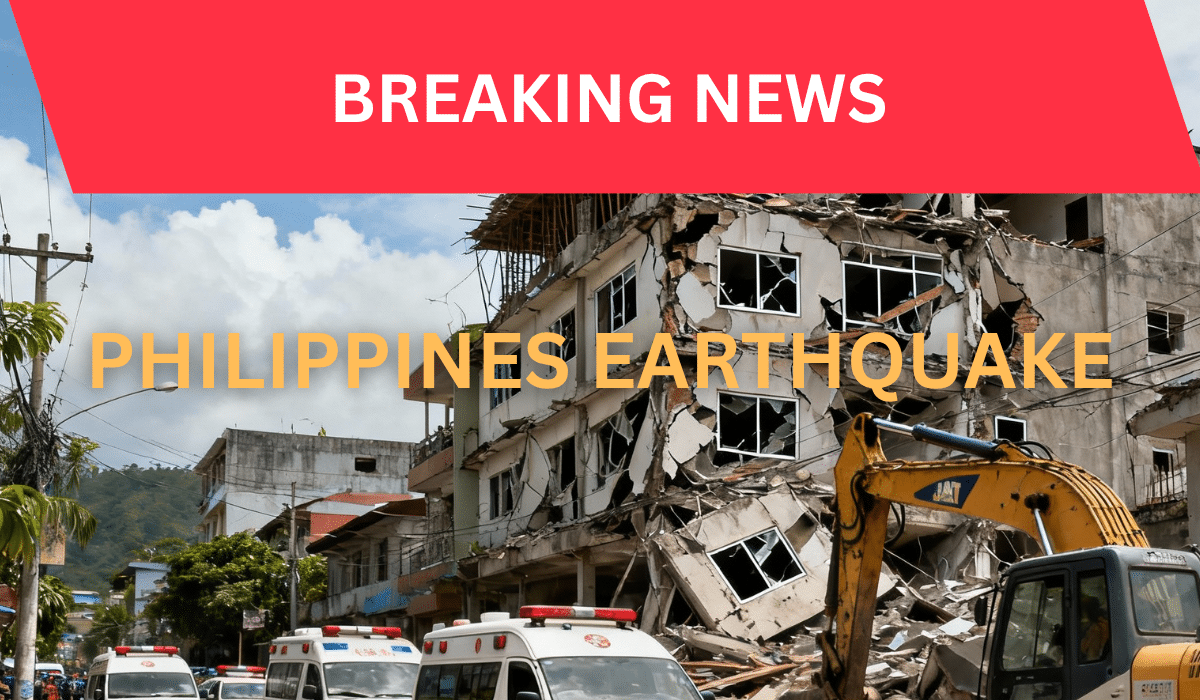
A devastating Philippines earthquake 2025 has claimed at least 69 lives and injured over 150 people after a powerful 6.9 magnitude tremor struck central Philippines on Tuesday night. The deadly quake has overwhelmed hospitals and triggered massive rescue operations across Cebu and Leyte provinces.
Key Emergency Facts
- Death toll: 69 confirmed fatalities, 150+ injured
- Magnitude: 6.9 on Richter scale
- Location: Central Philippines (Cebu/Leyte region)
- Time: Tuesday night, September 30, 2025
- Aftershocks: Over 600 recorded tremors
- Status: State of calamity declared in affected areas
Table of Contents
What Happened During the Philippines Earthquake 2025
The powerful Cebu earthquake magnitude 6.9 struck at approximately 10:30 PM local time, sending residents fleeing from their homes across central Philippines. The epicenter was located off the coast near Leyte Island, with severe shaking felt across multiple provinces including Cebu, Bohol, and Southern Leyte.
Buildings collapsed in several areas, with hospitals reporting an influx of injured victims suffering from fractures, head injuries, and trauma-related conditions. The Philippines tremors casualties continue to rise as rescue teams reach remote areas previously cut off by damaged infrastructure.
Similar to recent seismic events that have affected other regions, including the Assam earthquake 2025 that caused tremors in Udalguri and Guwahati, this disaster highlights the vulnerability of communities to sudden natural calamities.
Current Rescue and Relief Operations
President Ferdinand Marcos Jr. immediately ordered government agencies to mobilize resources for rapid earthquake relief efforts across the affected Central Philippines disaster zones. The Department of Budget and Management confirmed P8 billion remains available in the national disaster fund for emergency response operations.
Hospitals across Cebu province report being overwhelmed with earthquake victims, prompting authorities to set up emergency medical stations. The Philippines rescue operations involve multiple agencies working around the clock to search for survivors trapped under collapsed structures.
International embassies, including India’s diplomatic mission, have extended condolences and solidarity to the Philippines government and affected families.
Infrastructure Impact and Damage Assessment
The Leyte earthquake damage has been extensive, with numerous residential buildings, schools, and commercial structures sustaining severe structural damage. Roads and bridges in several areas have been rendered impassable, complicating rescue efforts and supply deliveries to affected communities.
Power outages have been reported across wide areas, while communication networks face disruptions in remote regions. The scale of destruction mirrors other recent natural disasters, including the cloudburst in Uttarakhand that caused significant infrastructure damage.
Ongoing Seismic Activity and Aftershocks
Philippines seismic activity remains elevated with over 600 Philippines aftershocks recorded since the initial quake, according to the Philippine Institute of Volcanology and Seismology (PHIVOLCS). These continuous tremors are hampering rescue efforts and causing additional structural damage to already weakened buildings.
Seismologists warn that strong aftershocks may continue for several days, advising residents to remain vigilant and avoid damaged structures.
What This Means for Affected Communities
The Philippines earthquake victims face immediate challenges including displacement, loss of shelter, and disrupted essential services. The Cebu province earthquake has particularly impacted rural communities where building standards may not have met seismic resistance requirements.
The Philippines emergency response focuses on immediate search and rescue operations while preparing for longer-term rehabilitation efforts. Authorities emphasize the need for sustained support as communities begin the difficult process of rebuilding their lives and infrastructure.
This devastating Philippines earthquake 2025 serves as a stark reminder of the region’s vulnerability to seismic events, highlighting the critical importance of disaster preparedness and resilient infrastructure development.
Frequently Asked Questions
Q: When exactly did the Philippines earthquake happen?
A: The Philippines earthquake 2025 struck on Tuesday, September 30, 2025, at approximately 10:30 PM local time. The 6.9 magnitude tremor originated off the coast near Bogo city in Cebu province, with its effects felt across central Philippines including Leyte, Biliran, and Bohol provinces.
Q: How strong was this earthquake compared to previous ones?
A: This 6.9 magnitude earthquake ranks among the strongest to hit the Philippines in recent years. The tremor was classified as “very strong” by PHIVOLCS, with a shallow depth of just 5-10 kilometers, which intensified its destructive impact. For comparison, the 2023 offshore earthquake that killed 8 people measured 6.7 magnitude.
Q: What should residents do during the ongoing aftershocks?
A: Residents should stay away from damaged buildings and structures as over 600 aftershocks have been recorded since the main quake. PHIVOLCS advises people to remain vigilant as strong aftershocks may continue for several days. If you feel shaking, immediately drop, take cover under sturdy furniture, and hold on until the tremor stops. Avoid returning to damaged homes until safety assessments are completed.