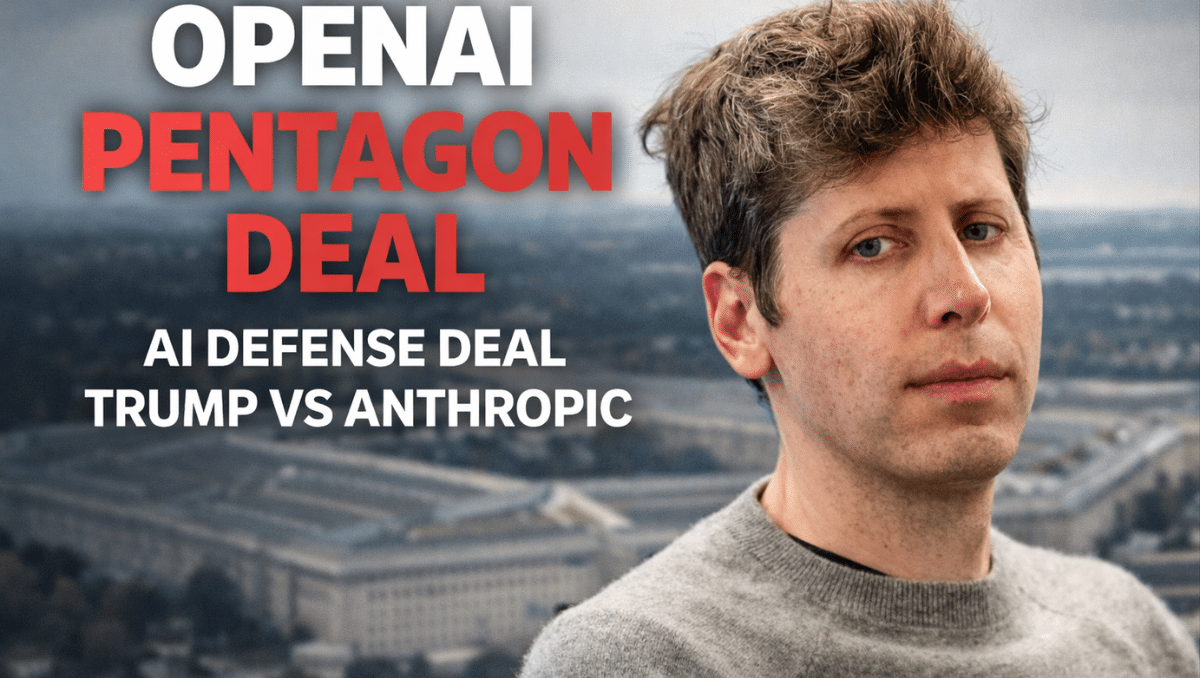
The OpenAI Pentagon deal marks a structural shift in how the United States is embedding frontier artificial intelligence inside its national security framework. This is no longer a theoretical discussion about AI and defense. It is now a formal operational alignment between one of the world’s most influential AI labs and the US military.
At a time of intensifying global AI competition and political friction surrounding Trump AI defense policy debates, this agreement positions OpenAI at the center of America’s defense modernization strategy while sharpening competitive pressure on Anthropic.
What Happened
OpenAI, led by Sam Altman, signed a formal agreement with the US Department of Defense to deploy advanced AI systems within secure government environments. The arrangement reportedly includes the use of frontier generative AI models across classified or restricted networks.
The OpenAI Pentagon deal moves beyond pilot programs. It represents structured integration of large-scale AI systems into federal defense operations. This may include intelligence synthesis, cybersecurity monitoring, logistics optimization, and operational planning support.
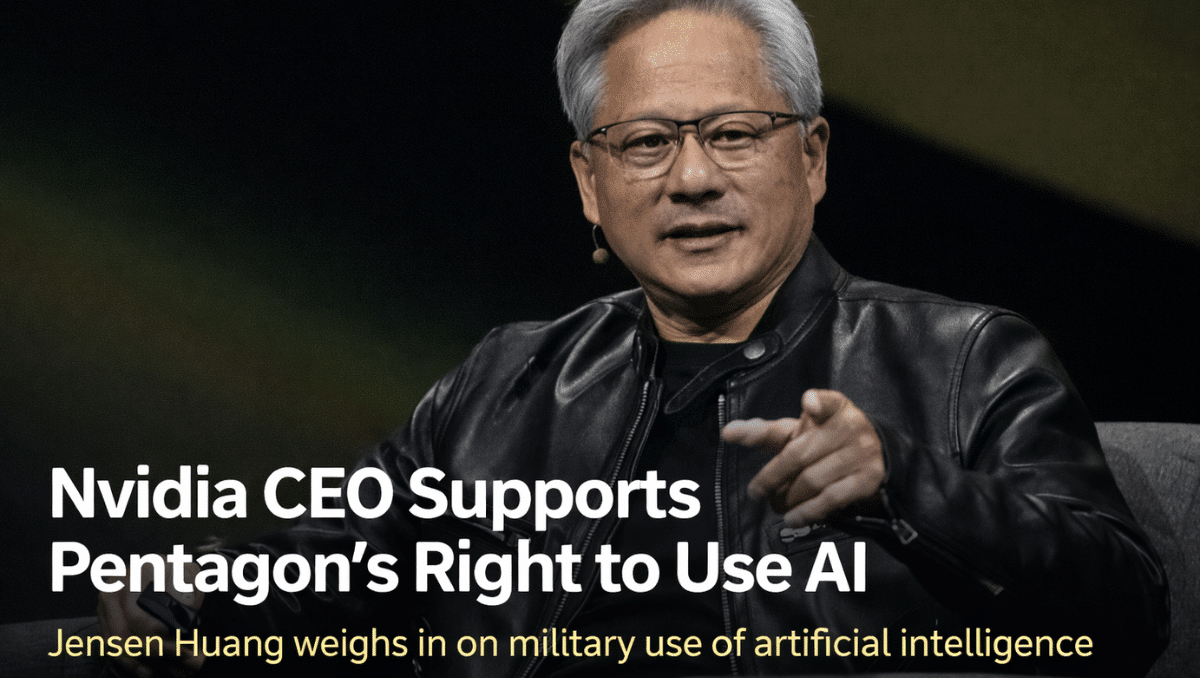
The agreement reflects the Pentagon’s accelerating investment in defense AI contracts as Washington pushes to modernize digital warfare capabilities. Previously, companies like Nvidia have openly supported AI integration into US military systems, reinforcing the broader shift toward military artificial intelligence adoption.
This deal formalizes OpenAI’s role inside that ecosystem.
In a post on X, OpenAI CEO Sam Altman confirmed the agreement, stating that the company would deploy its models.
Context: AI National Security and Corporate Competition
Artificial intelligence has become central to US AI strategy. Defense agencies increasingly rely on automation to process surveillance data, identify threat patterns, and reduce decision latency in high-risk environments.
At the same time, political and corporate dynamics are shaping which AI firms gain influence. The Trump AI defense policy posture has emphasized technological dominance and reduced reliance on foreign supply chains. That creates pressure to partner with domestic AI leaders capable of scaling rapidly inside federal infrastructure.
Anthropic has also positioned itself as a strong contender for government AI partnerships. The competition between OpenAI and Anthropic now extends beyond enterprise contracts into federal tech procurement pipelines.
The OpenAI defense contract signals institutional confidence in OpenAI’s technical maturity, compliance standards, and deployment capabilities within classified systems.
This development also intersects with the broader AI regulation debate. Lawmakers continue to weigh safety guardrails while defense agencies accelerate generative AI military use for strategic advantage.
Impact: Strategic, Industrial, and Geopolitical Effects
The immediate impact falls on US defense agencies. Access to advanced generative models could significantly reduce data processing time, improve intelligence assessment speed, and enhance cyber defense response capabilities.
For OpenAI, the partnership strengthens its strategic position. Federal validation enhances long-term revenue stability and institutional credibility. Government alignment also signals that its AI systems meet strict operational security requirements.
For Anthropic and other competitors, the implications are substantial. Defense AI contracts can influence investor sentiment, valuation narratives, and future funding rounds. The AI arms race is increasingly shaped by which firms secure national security partnerships.
Globally, this agreement reinforces perceptions of accelerating AI militarization. Rival governments will likely interpret the OpenAI Pentagon deal as another step in consolidating US technological dominance in military applications.
AI national security is no longer a policy abstraction. It is operational policy.
What Happens Next
The trajectory of this partnership will depend on several key variables.
- First, deployment scale. If OpenAI’s models move into mission-critical systems rather than advisory tools, this will signal a deeper transformation of US defense infrastructure.
- Second, regulatory oversight. Congressional scrutiny around AI safety, transparency, and ethical boundaries will intensify as generative AI expands inside defense environments.
- Third, competitive response. Anthropic and other AI firms may accelerate compliance certifications, secure partnerships with defense contractors, or pursue parallel Pentagon engagements to avoid strategic marginalization.
- Fourth, political influence. If AI continues to feature prominently in campaign narratives and national security debates, future administrations could further institutionalize AI military partnerships.
The OpenAI Pentagon deal is not just a contract announcement. It represents a turning point in how frontier AI labs interface with state power. The operational results over the next several years will determine whether this becomes a foundational pillar of US defense modernization or a transitional phase in the evolving AI arms race.
Sources
- US Department of Defense official announcement
- OpenAI official press release or blog statement
- Congressional Armed Services Committee briefings
- Federal procurement disclosures