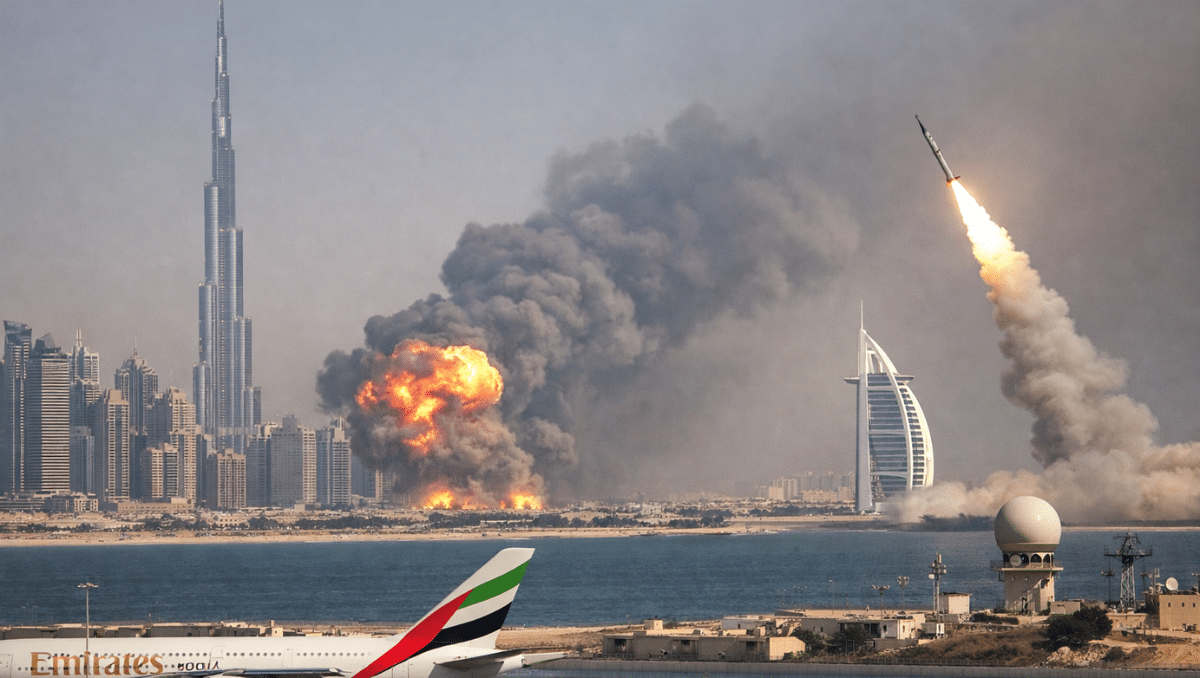
Dubai’s reputation as a secure global hub is facing renewed scrutiny after a recent Iran-linked strike heightened concerns about regional spillover. While the emirate was not directly targeted, the incident has intensified debate around Iran strike Dubai safety and whether Gulf stability can remain insulated from broader Middle East escalation.
For investors, expatriates, airlines, and policymakers, the issue is not immediate panic. It is structural exposure. In a region shaped by proxy conflicts and long range missile capability, perception shifts can carry economic consequences even without direct impact.
What Happened
Regional tensions escalated following reports of an Iran-linked strike aimed at strategic assets elsewhere in the Middle East. Although Dubai itself was not struck, the development altered regional threat calculations.
Iran UAE tensions have fluctuated for years, particularly around maritime security and geopolitical alignment. The recent strike served as a reminder that missile and drone threat capabilities have expanded across the region.
Security analysts noted that modern warfare no longer requires geographic proximity. Precision drones and long range systems compress distance. As a result, even cities considered commercially neutral can fall within the psychological radius of escalation.
Markets reacted cautiously. Energy market volatility ticked upward. Aviation risk monitoring intensified. The issue was not immediate damage, but potential precedent.
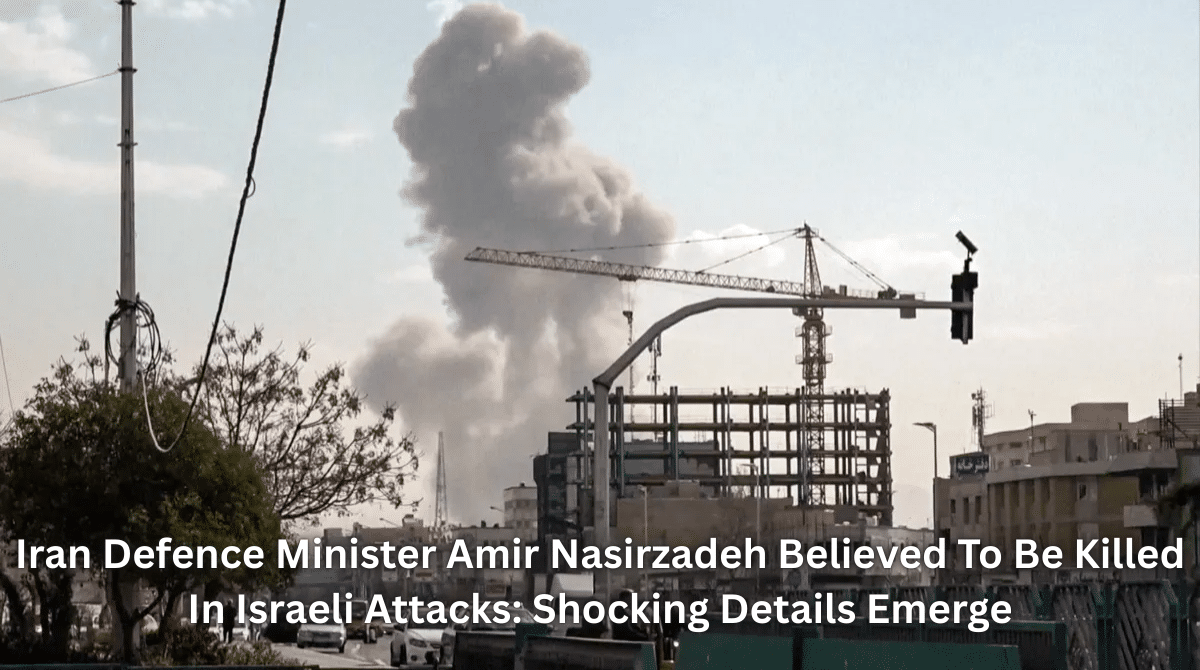
For deeper background on the widening regional conflict risk, see our coverage on the Iran defence minister killed in Israeli attacks, which explains how leadership-level incidents often trigger escalation cycles.
The Context Behind Dubai’s Security Reputation
Dubai’s growth strategy has depended on projecting political neutrality, economic diversification, and regulatory stability. Over the past two decades, it has positioned itself as a gateway between Asia, Europe, and Africa.
This model attracted global capital and strengthened the Gulf investment climate. Major multinational firms operate regional headquarters in Dubai precisely because it has been viewed as insulated from direct confrontation.
However, geography remains constant. The UAE sits near strategic energy corridors and maintains close ties with Western powers. During periods of Middle East escalation, these alignments can increase visibility.
Previous flare ups did not materially destabilize Dubai. Yet regional conflict risk is cumulative. Each escalation tests deterrence thresholds and defense infrastructure.
The evolving UAE defense strategy reflects this reality. Investment in missile interception systems and regional intelligence coordination has accelerated over recent years. The question now is whether these systems are viewed as sufficient deterrence.
Who Is Affected and How
Investors and Financial Markets
Dubai’s economy is deeply integrated into global finance. Even minor shifts in Dubai security risk perception can influence capital allocation decisions.
Institutional investors assess long term geopolitical stability. If escalation appears cyclical rather than isolated, risk premiums may gradually adjust. That does not mean capital flight, but it can mean recalibrated expectations.
Aviation and Tourism
Tourism security concerns emerge quickly during periods of uncertainty. Airlines monitor airspace advisories closely, and insurance costs can fluctuate.
Dubai’s aviation sector is a critical economic pillar. Temporary rerouting or advisory notices can influence short term passenger flows, even if operations remain uninterrupted.
Energy Markets
Gulf geopolitical stability directly affects oil pricing. Even symbolic strikes near strategic corridors introduce uncertainty.
Energy traders often respond to perceived escalation rather than confirmed disruption. That perception alone can trigger volatility in global markets.
Government Policy
Governments across the Gulf will reassess exposure scenarios. Diplomatic channels may intensify quietly behind the scenes.
Policy recalibration may include enhanced defense cooperation and deeper coordination with international partners. Strategic messaging will likely emphasize resilience and preparedness.
What Happens Next
Three factors will shape the trajectory.
First, whether escalation remains contained. Limited signaling actions are sometimes designed to demonstrate capability without provoking broader retaliation.
Second, the response of global powers. External actors play a critical role in deterrence stability across the Gulf.
Third, economic absorption capacity. Dubai’s diversified economy and strong regulatory institutions provide buffers. Stability is not the absence of tension, but the ability to absorb shocks without systemic breakdown.
Dubai remains operationally secure. Infrastructure is intact. Markets are functioning. Yet the broader narrative has shifted slightly.
The assumption that commercial hubs can remain permanently insulated from regional dynamics is being reexamined. If geopolitical spillover becomes more frequent, long term risk modeling across the Gulf may adjust.
The question is not whether Dubai is safe today. It is whether the threshold for perceived vulnerability has lowered in a region where escalation cycles are increasingly unpredictable.
Sources
- UAE Ministry of Foreign Affairs
- Iranian Ministry of Foreign Affairs
- UAE General Civil Aviation Authority