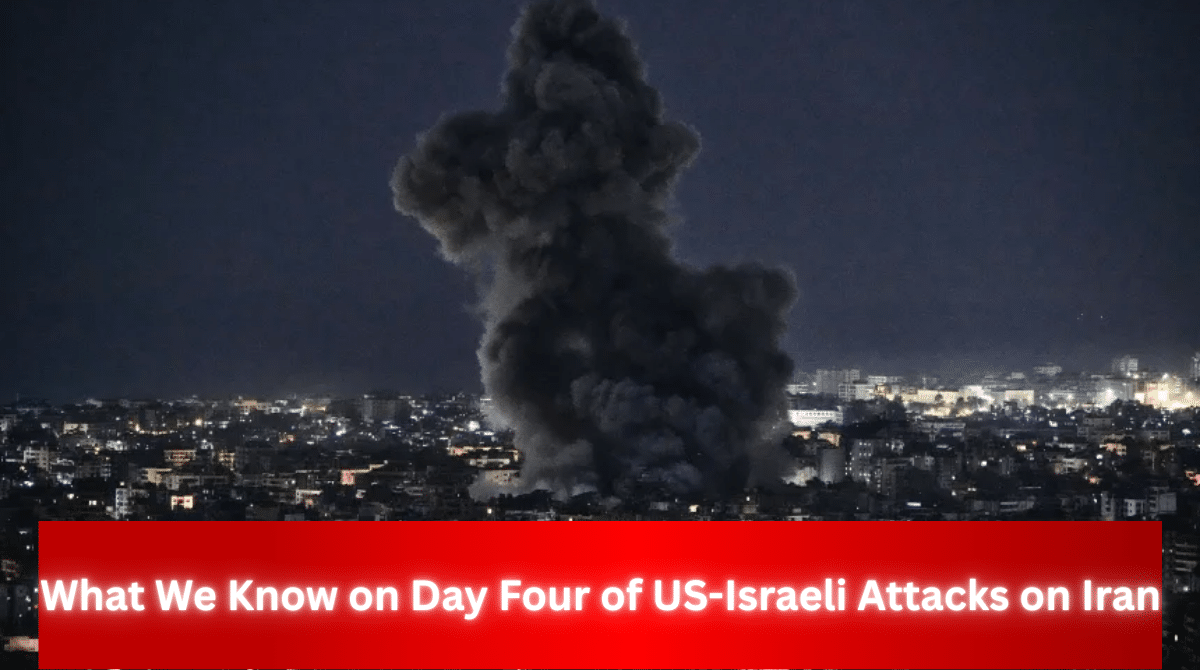
The US-Israeli attacks on Iran have intensified, pushing the Middle East toward unprecedented turmoil. On day four, airstrikes hammered Tehran while Iran retaliation missiles targeted Israeli cities and Gulf bases, raising fears of a full-scale regional war.
What Happened on Day Four
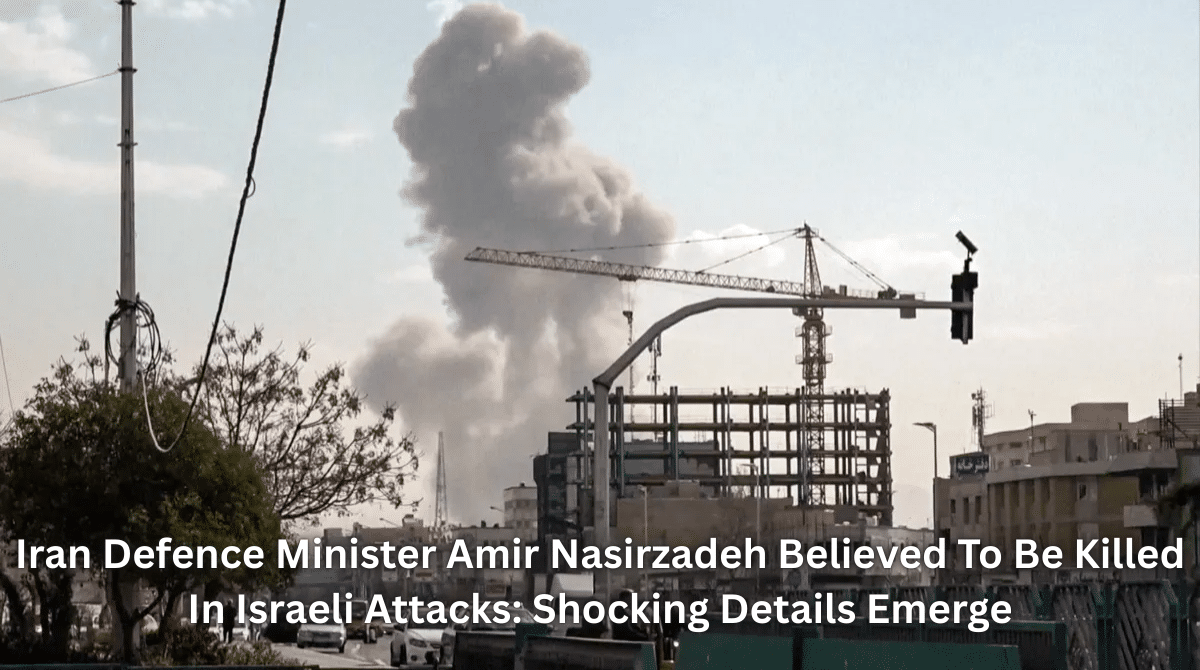
Israeli jets struck key Tehran airstrikes targets, including military command centers near the Supreme Leader’s compound. Reports confirm the Iranian Supreme Leader was killed in a precision hit, alongside dozens of top generals. Iranian casualties now exceed 800 civilians and soldiers, with hospitals in Isfahan overwhelmed.
US forces joined with drone swarms, crippling Iran’s ballistic missile stockpiles. Iran war day four saw Tehran launch over 200 ballistic missiles at Tel Aviv, though most were intercepted by Israel’s Iron Dome. Sirens blared across Israel as debris rained on residential areas, killing 12 civilians.
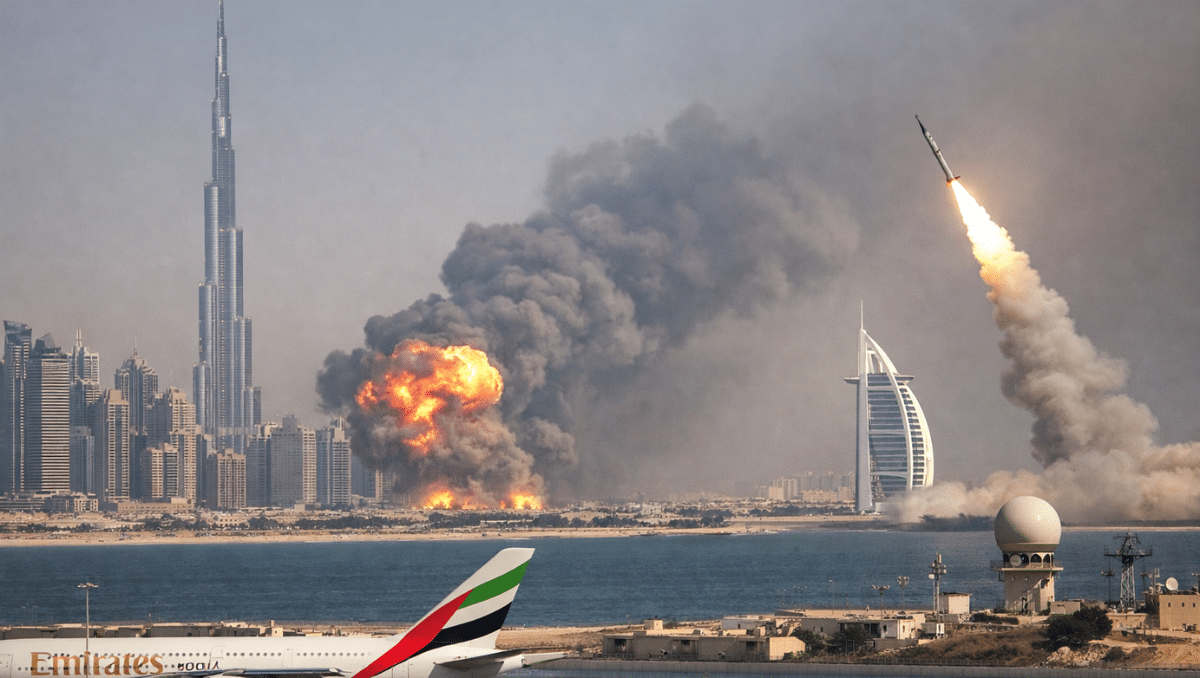
In a bold move, Israeli ground troops staged an incursion into southern Lebanon, targeting Hezbollah positions. This came hours after Iran retaliation drones hit US air bases in Iraq. Gulf states faced chaos too, with embassy closures in Saudi Arabia and Kuwait as explosions rocked UAE ports Israel strikes Iran Escalation Risks.
President Trump addressed the nation, vowing no quick end to the operation. “This Trump Iran conflict will wrap when Iran’s nuclear threat is gone,” he stated, rejecting ceasefire calls.
Historical Context Behind the Strikes
Tensions boiled over from years of shadow war. Iran’s nuclear program advanced rapidly post-2024, enriching uranium to weapons-grade levels despite sanctions. Israel viewed this as an existential threat, launching preemptive nuclear program strikes in late February after intelligence pinpointed underground facilities.
The US, under Trump’s reelection mandate, shifted from deterrence to action. Past proxy clashes—Hezbollah rocket barrages, Houthi Red Sea attacks—set the stage. Iran’s support for Hamas during the Gaza conflict in 2025 further isolated Tehran, prompting this joint operation.
Key trigger: Iran’s test of a hypersonic missile in January 2026, capable of evading defenses. Israeli PM Netanyahu called it a “red line,” coordinating with Trump for overwhelming force. This marks the first direct US-Israel ground-air campaign on Iranian soil since 1979.
Unlike 2020’s Soleimani strike, this targets the regime’s core. Regional escalation mirrors 1991 Gulf War dynamics but with modern drones amplifying speed and lethality.
Immediate Impacts Across the Region
Iranian casualties dominate headlines, with entire neighborhoods in Tehran reduced to rubble. Power grids failed in central provinces, sparking humanitarian crises. Iran’s economy, already fragile, saw the rial plummet 40% overnight.
Israel absorbed hits but maintained air superiority. Israel strikes Iran damaged military sites, yet civilian morale holds amid bunker networks. Hezbollah in Lebanon mobilized 10,000 fighters, launching rockets that killed five in northern Israel.
Gulf states bear spillover pain. Saudi oil facilities dodged direct strikes but shut production lines fearing Gulf states attacked scenarios. UAE reported drone debris igniting refineries, spiking global crude to $120 per barrel. US embassies evacuated non-essential staff from Kuwait and Bahrain.
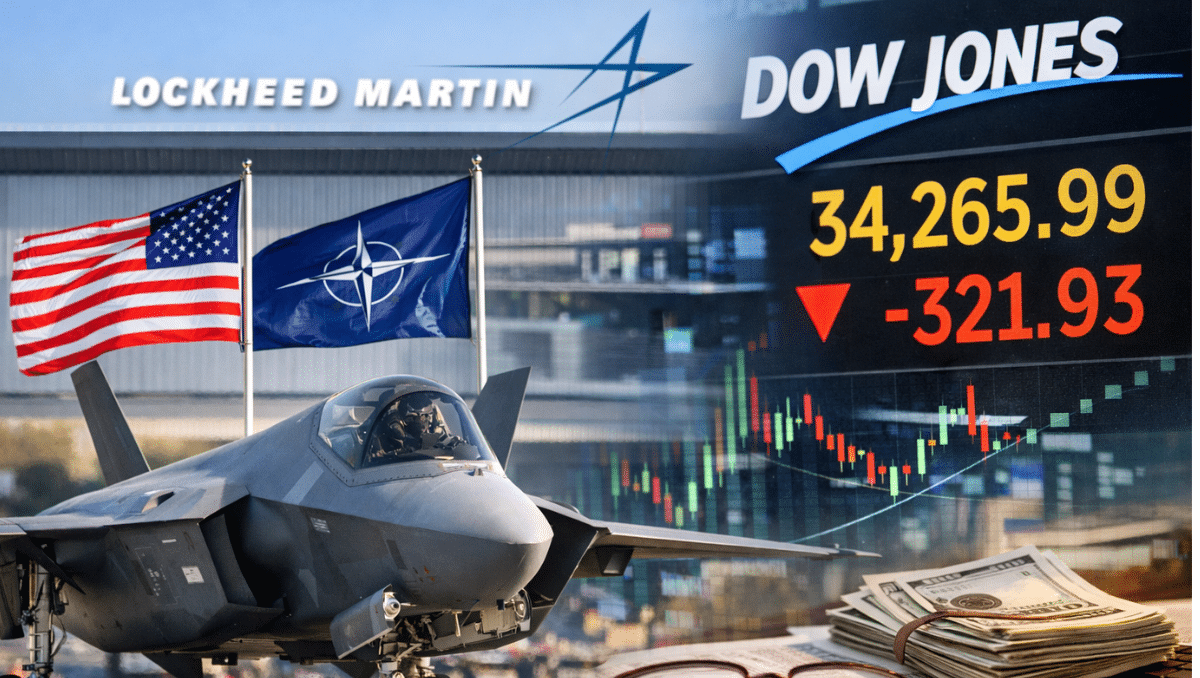
Globally, markets slid: Dow dropped 5%, Nasdaq 7% on tech supply fears. Airlines rerouted flights, stranding thousands. Hezbollah Lebanon threats prompted NATO alerts, while Russia and China condemned the strikes as “aggression.”
Civilians suffer most. Iranian families flee cities; Israeli schools closed indefinitely. Economic ripples hit Europe with gas prices surging 20%. Trump Iran conflict Policy Shifts.
Voices from the Ground and Leaders
In Tehran, residents described “smoke and blood” choking streets. A nurse at a bombed clinic said, “We treat soldiers and kids alike—no one escapes.” Israeli officials tallied 300 Hezbollah fighters neutralized in Lebanon.
Netanyahu praised the operation: “US-Israeli attacks on Iran protect generations.” Trump echoed, hinting at regime change without timelines. Iran’s interim leadership vowed “rivers of blood” retaliation, firing missiles at midnight.
Gulf leaders urged restraint. Saudi Crown Prince warned strikes “won’t go unanswered,” balancing anti-Iran stance with stability needs. Protests erupted in Baghdad and Amman, burning US flags.
What Happens Next: Escalation Risks
Forward risks loom large. Iran retains submarine-launched missiles, potentially targeting carriers in the Gulf. Hezbollah’s 150,000 rockets could overwhelm Israel if fully unleashed. Regional escalation might draw in Syria’s Assad remnants or Yemen’s Houthis.
Trump’s strategy eyes decapitating leadership, but successors could radicalize. US intelligence warns of cyber retaliation on power grids. Oil chokepoints like the Strait of Hormuz face blockade threats, crashing global trade.
Diplomatic off-ramps narrow. UN Security Council meets tomorrow, vetoes likely. Qatar mediates hostage talks tied to pause requests. Yet Trump’s base cheers decisiveness, pressuring for total victory.
Ballistic missiles stockpiles dwindle for Iran, but chemical weapons rumors surface. Israel prepares for ground options into Syria. Gulf states bolster defenses, buying US Patriots at warp speed. Internal Link: Iran war day four Global Fallout
Broader Geopolitical Fallout
NATO allies split: UK backs strikes, France calls for talks. Russia supplies Iran drones covertly, per leaks. China’s Belt and Road stalls amid chaos.
India, reliant on Iranian oil, scrambles alternatives. Pakistan eyes border security against refugees. Iranian casualties fuel anti-West sentiment, boosting recruitment for militias.
Energy markets brace for $150 oil if Hormuz closes. Tech firms like Apple warn of chip shortages from disrupted rare earths. Inflation ticks up globally.
Military and Tech Dimensions
Advanced US F-35s pierced Iranian radars, showcasing stealth supremacy. Israel’s Rampage missiles hit moving targets flawlessly. Iran’s aging S-300s failed, exposing air defense gaps.
Drones redefined warfare: US Reapers flew 24-hour sorties. Iran’s Shahed swarms tested intercepts but fell short. Tehran airstrikes exposed underground bunkers’ limits.
Cyber front heats up. Israel blamed Iran for grid hacks; US Cyber Command retaliated quietly.
Civilian and Humanitarian Toll
Over 800 Iranian casualties, half civilians per rights groups. Tehran hospitals ration medicine; blackouts hinder surgeries. Lebanon sees 20,000 displaced from border clashes.
Israel’s Iron Dome saved lives but strained budgets at $100,000 per shot. Gulf evacuations clog roads. Aid convoys stall at borders amid Hezbollah Lebanon checkpoints.
Red Cross demands access; Iran bars foreigners. Satellite images show mass graves near Qom.
Economic Ripples Worldwide
Oil at $120 disrupts budgets. Europe faces recession; US pump prices hit $6/gallon. Airlines burn cash on detours. Gulf states attacked fears crash airline stocks 15%.
Crypto surges as safe haven; gold hits records. Supply chains snap: semiconductors from Taiwan reroute, delaying EVs and phones.
India’s rupee weakens; Europe’s factories idle. Trump’s team touts domestic drilling to offset.
Path to Resolution or Wider War?
Short-term: Strikes continue targeting nukes. Iran may sue for peace if leadership crumbles. Long-term: Regime change odds rise, but power vacuums breed ISIS-like groups.
Trump hints at “new Iran” post-victory. Allies push for elections, unlikely soon. Supreme Leader killed shifts power dynamics unpredictably.