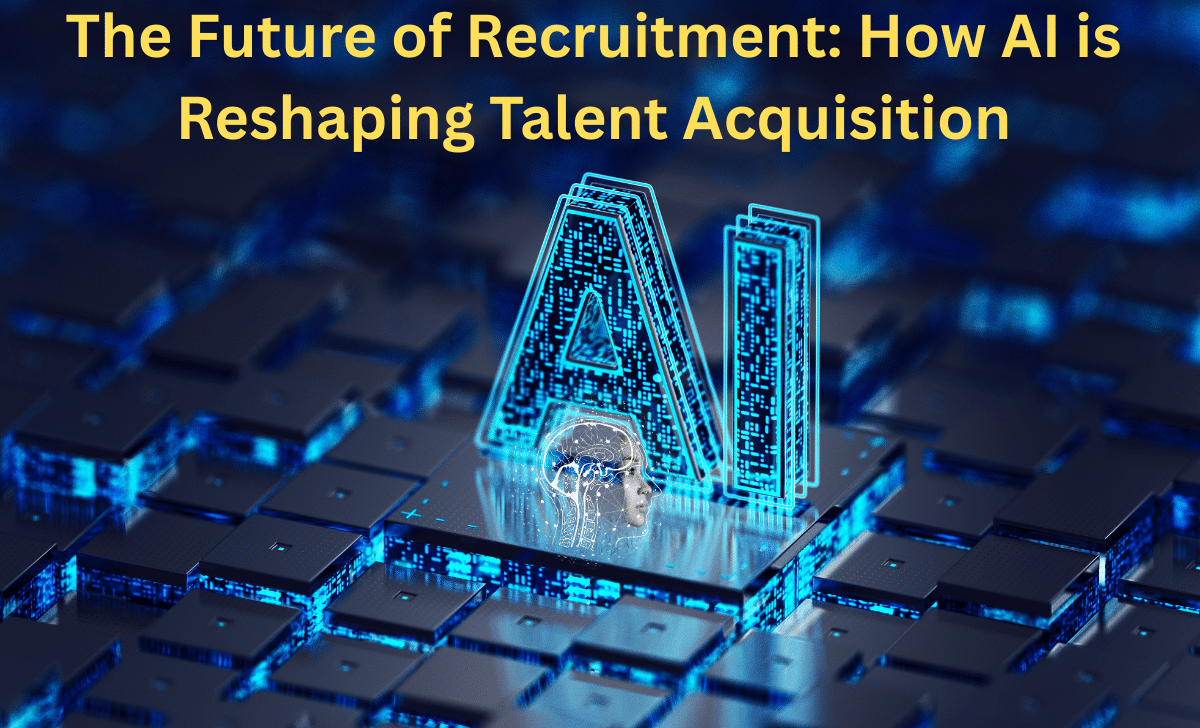
The Future of Recruitment: How AI is Shaping the Future of Talent Acquisition
- AI is changing how companies hire by making the process faster and better for job seekers.
- People still need to watch over AI tools to make sure they are used properly and fairly.
- Continuous learning and adaptation is very important for effective AI integration in hiring.
- The future of hiring is likely to have more personalized approaches and better ways to predict what kind of talent a company will need.
Table of Contents
Introduction
The recruitment landscape is undergoing a significant transformation driven by advancements in artificial intelligence (AI). As companies strive to enhance their hiring processes, AI technologies are being integrated into recruitment strategies to streamline workflows, automate mundane tasks, and improve candidate experience. In Canada and beyond, understanding the implications of these advancements is essential for HR professionals and business leaders who aim to stay competitive. This blog examines how AI is reshaping talent acquisition today, offering actionable insights for recruiters and HR professionals.
The Rise of AI in Recruitment
In recent years, the demand for AI-driven solutions in the recruitment industry has surged. A recent study by LinkedIn found that 67% of talent professionals and hiring managers believe that AI can significantly enhance their recruitment strategies. From automating resume screening to enhancing candidate sourcing methods, AI technologies are proving to be invaluable in curating the right talent for organizations.
The Benefits of AI in Recruitment
AI technologies, such as machine learning and natural language processing, provide numerous benefits to recruitment processes. Here are some key advantages:
- Efficiency: Automated tools can process thousands of resumes in a fraction of the time it would take a human recruiter. This efficiency not only saves time but also allows HR teams to focus on more strategic tasks, like building relationships with candidates.
- Bias Reduction: AI can help mitigate unconscious bias in hiring by standardizing evaluation criteria and focusing on skills and experiences rather than demographic factors. So many tools offer a more objective approach to candidate evaluation.
- Improved Candidate Experience: Utilizing chatbots and automated communication systems, recruiters can provide immediate feedback and information to candidates, resulting in higher engagement and satisfaction levels throughout the recruitment process.
- Enhanced Sourcing Capabilities: AI-driven platforms can analyze data to identify potential candidates from various online platforms, including social media, reducing time spent on sourcing while expanding the talent pool.
Implementing AI in Your Recruitment Strategy
As companies recognize the value AI can bring to their hiring processes, it’s crucial to effectively implement these technologies. Here are practical strategies for recruiters and HR leaders:
Also read: Importance of Recruitment Technology
Identify Repetitive and Time-Consuming Tasks
Consider which areas of your recruitment workflow could benefit from automation. Common tasks include resume screening, scheduling interviews, and sending follow-up emails. By pinpointing these repetitive tasks, you can automate them using tools like n8n, an open-source automation tool that integrates AI capabilities. This allows human recruiters to dedicate more time to building relationships with candidates.
Choose the Right AI Tools
Research various AI-driven recruitment platforms to find the best fit for your organization. Consider factors like user interface, integrations with existing tools, and the specific features offered. Popular options include:
- HireVue: Specializes in video interviews powered by AI to analyze candidate responses.
- Pymetrics: Utilizes neuroscience-based games to assess candidate skills and fit.
- n8n: Automation tool that can connect various recruitment software to streamline processes.
Maintain Human Oversight
While AI enhances efficiency, the human touch remains vital in recruitment. Ensure that AI tools complement rather than replace human judgment. Incorporating human oversight into the process can reinforce company culture alignment and candidate engagement.
Focus on Continuous Learning and Improvement
The recruitment landscape is always evolving. Regularly analyze the performance of your AI tools and solicit feedback from candidates and hiring managers. Use this information to continuously refine your processes and improve the candidate experience.
Challenges in AI-Driven Recruitment
While the benefits of AI-driven recruitment are significant, challenges remain that HR leaders should be aware of:
Ethical Considerations
With the power of AI comes the responsibility to consider ethical implications. AI systems can inadvertently perpetuate biases if not correctly monitored and adjusted. Organizations must ensure that their tools are trained on diverse datasets to avoid reinforcing existing biases in the workforce.
Data Privacy and Compliance
The collection and usage of candidate data must comply with laws and regulations such as the General Data Protection Regulation (GDPR) in Europe and similar regulations in Canada. Companies need to be transparent about how they collect and use candidate data while implementing stringent security measures to protect that data.
The Future: AI and the Recruitment Industry
As AI continues to evolve, here is what businesses can expect in the coming years:
- Higher Personalization: Advanced algorithms will enhance personalization in candidate sourcing and engagement, tailoring communication and job opportunities to individual preferences and career paths.
- Greater Predictive Analytics: AI tools will increasingly use predictive analytics to forecast hiring needs and identify candidate success, enabling organizations to proactively align recruitment efforts with business objectives.
- Integration of Virtual Reality: As technology advances, we may see the integration of virtual reality (VR) in candidate assessments, allowing companies to simulate work environments and assess candidates in real-time.
- Sustainability in Hiring: Organizations will increasingly leverage AI to promote sustainability in hiring practices, considering factors like candidate diversity and environmental impact in their strategies.
Conclusion
AI is undoubtedly changing the landscape of recruitment, offering exciting opportunities for efficiency and enhancement of recruitment strategies. By automating tasks, reducing bias, and improving candidate experiences, AI technologies are becoming indispensable for HR professionals. However, integrating these tools requires mindful consideration of ethical practices and data privacy.
As your company navigates this technological evolution, remember that our expertise in AI consulting and workflow automation can help you implement effective strategies tailored to your unique needs. Are you ready to optimize your recruitment process with the power of AI? To discover how we can streamline your HR workflows and enhance your talent acquisition strategies.
FAQs:
Q1 How can AI improve my recruitment strategy?
AI can automate repetitive tasks, enhance candidate sourcing, reduce bias, and improve overall candidate experience, allowing HR professionals to focus on strategic initiatives.
Q2 What are the ethical considerations for using AI in recruitment?
Organizations must ensure AI tools are not perpetuating biases and must comply with data privacy regulations, training systems on diverse datasets.
Q3 How can I choose the right AI tools for my recruitment process?
Research and evaluate AI platforms based on user experience, features offered, integration capabilities, and reviews from other users in your industry.
Q4 Is human oversight still necessary with AI recruitment tools?
Yes, human oversight is crucial to ensure that AI complements human judgment, aligns with company culture, and engages candidates effectively.