How delimitation based on 2011 Census will redraw India’s political map is becoming a major national discussion, as it can change how seats are distributed and how political power is shared across states.
This topic matters because it directly affects elections, representation, and fairness in the Indian elections system. In this article, you will understand what delimitation means, why it is important now, and how it may impact different regions of India.
Key Summary
- Delimitation decides how Lok Sabha seats are distributed
- It is based on population data from the Census
- The next major exercise may happen after 2026
- States with higher population growth may gain more seats
- Southern states may lose relative political influence
- It can reshape India’s political balance for decades
How Delimitation Based on 2011 Census Will Redraw India’s Political Map
Delimitation is the process of redrawing boundaries of parliamentary constituencies to ensure equal population based representation. This helps make sure that each vote has similar value across the country.
India has not updated seat distribution since the 1971 population data. A freeze was introduced to encourage population control. This freeze is expected to end soon, leading to a new 2026 delimitation exercise.
If the 2011 Census is used, it will bring major changes in Lok Sabha seat distribution across states.
What Is Delimitation and Why It Matters
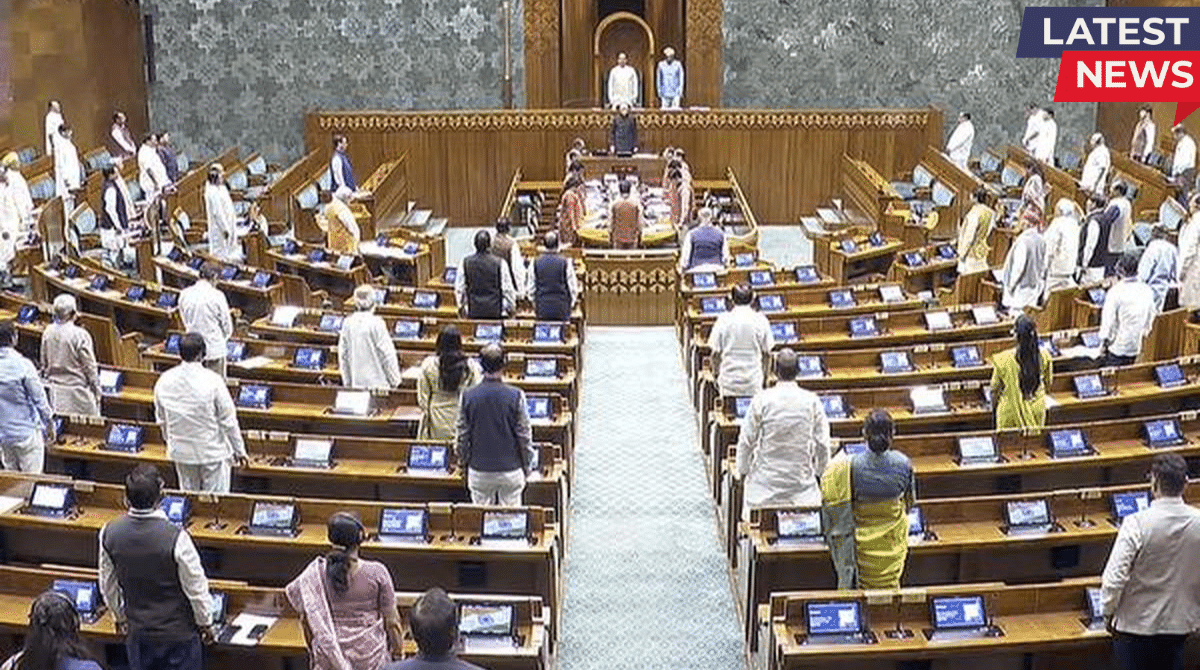
The delimitation commission India is responsible for setting constituency boundaries and deciding how many seats each state gets in Parliament.
This process matters for several reasons. It ensures fair representation, adjusts seats based on population growth, and directly impacts election outcomes. Without delimitation, some regions may remain overrepresented while others may not get fair political voice.
North vs South Political Impact
One of the biggest debates is about the north vs south political impact.
Northern states have seen higher population growth over the years. Because of this, they are likely to gain more seats and increase their political influence.
Southern states, on the other hand, have successfully controlled population growth. However, they may lose their share of seats, which raises concerns about political representation fairness.
This situation creates a challenge in balancing fairness with population-based allocation.
Population Growth and Seat Allocation
The idea behind delimitation is simple: areas with more people should have more representation. But population growth imbalance India makes this process complex.
| Region | Population Growth | Likely Impact |
|---|---|---|
| North India | High | Gain seats |
| South India | Low | Lose share |
| Urban Areas | Rapid growth | Boundary changes |
| Rural Areas | Stable or slow | Reduced influence |
These changes will lead to significant parliamentary constituency changes and will affect how elections are fought in the future.
Impact on Indian Elections System
The Indian elections system may see major shifts after delimitation.
New constituencies will be created, and some existing ones may change boundaries. Political parties will need to adjust their strategies based on new voter distributions.
For voters, this means changes in constituencies, candidates, and possibly election results. The balance of power in Parliament may also shift.
Role of Data and Technology in Delimitation
Modern delimitation uses data analysis to understand population patterns and geographic distribution. Technology helps improve accuracy and planning.
Using data responsibly is important to maintain fairness and avoid bias.
What Happens After 2026
The year 2026 is important because the current freeze on seat redistribution may end.
After this, a new delimitation commission may be formed. Fresh census based seat allocation will begin, and there may be an increase or redistribution of seats in Parliament.
These organizations play a key role in managing and guiding the process.
Challenges and Concerns
Delimitation aims to create fairness, but it also brings challenges.
There are concerns about regional imbalance, political disagreements, and the fear of losing influence. Implementation can also be complex due to the size and diversity of India.
Some experts suggest combining population data with development indicators to create a more balanced approach.
What It Means for You
For citizens, delimitation directly affects how your vote works.
Your constituency boundaries may change, and your representative may be different. The value of your vote may also change depending on population shifts.
Understanding these changes helps you stay informed and prepared for future elections.
Conclusion
Delimitation is a major step that can reshape India’s political system. The changes based on census data will decide how fair political representation will be in the coming years.
As population based representation becomes more important, the challenge will be to ensure fairness across all regions. The outcome will influence elections, governance, and political power for a long time.