In recent hours, a viral claim has taken over social media platforms stating that the “biggest bridge in Iran has been destroyed by American forces.” The claim, often paired with dramatic visuals and political imagery, has sparked confusion, concern, and widespread debate across global audiences. But how accurate is this claim? Is there any verified truth behind it, or is it another case of misinformation spreading rapidly online?
In this detailed breakdown, we explore the facts, context, geopolitical implications, and the dangers of viral misinformation, while helping you understand what is real and what is not.
Key Highlights
- Viral claim about Iran’s biggest bridge destruction is unverified and misleading
- No confirmation from official US or Iranian authorities
- Images used in posts are likely old or unrelated visuals
- Demonstrates how fake news spreads rapidly on social media
- Highlights the need for fact-checking and digital awareness
- No major media outlet has reported such an incident
- Geopolitical sensitivity makes such claims easily believable
- Encourages users to rely on trusted news sources only
Understanding the Viral Claim
The claim suggests that a major infrastructure asset—allegedly the largest bridge in Iran—has been destroyed in a military operation conducted by the United States. The visuals accompanying this claim typically include:
- A large explosion on a bridge
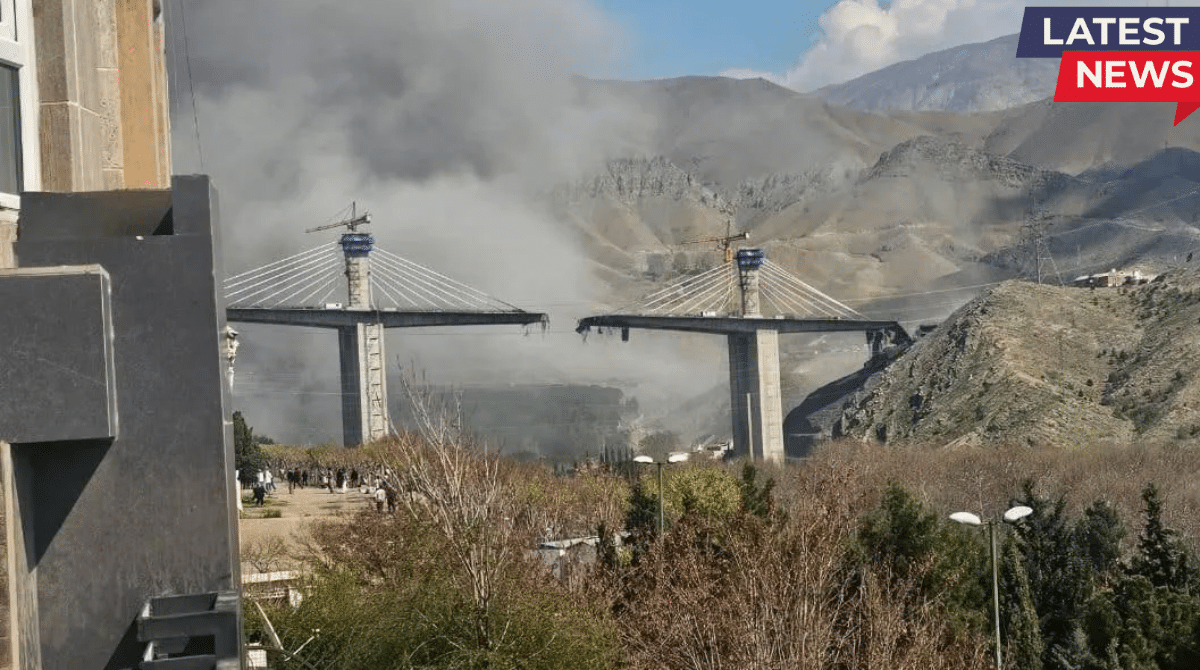
- A modern bridge structure in a mountainous region
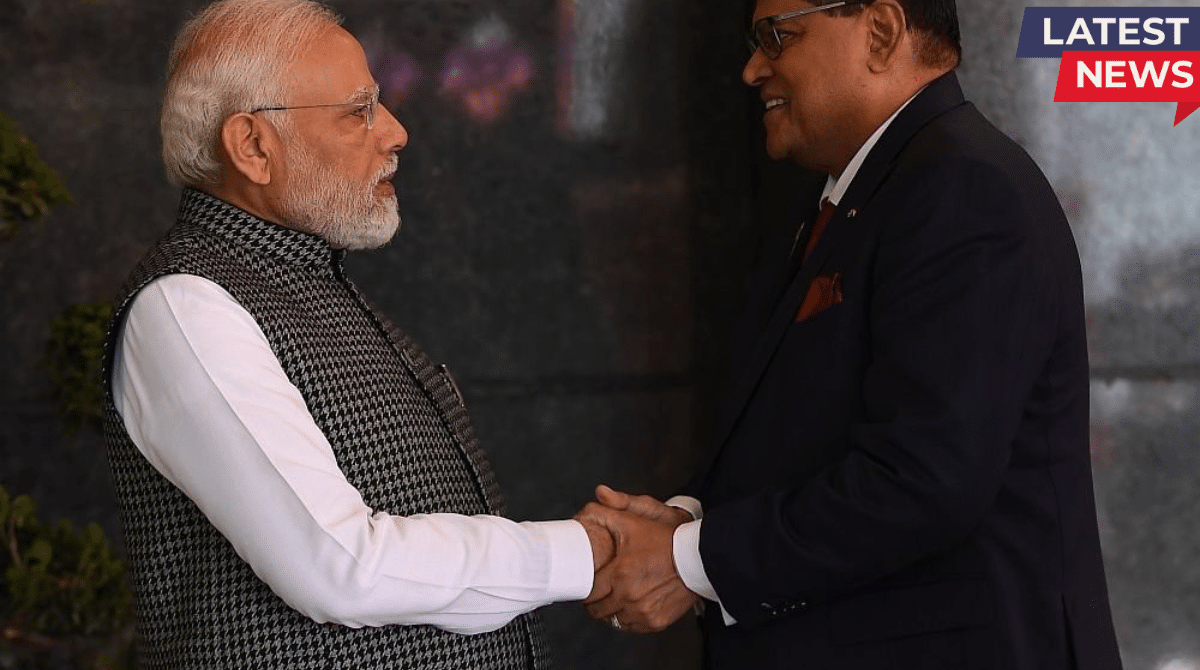
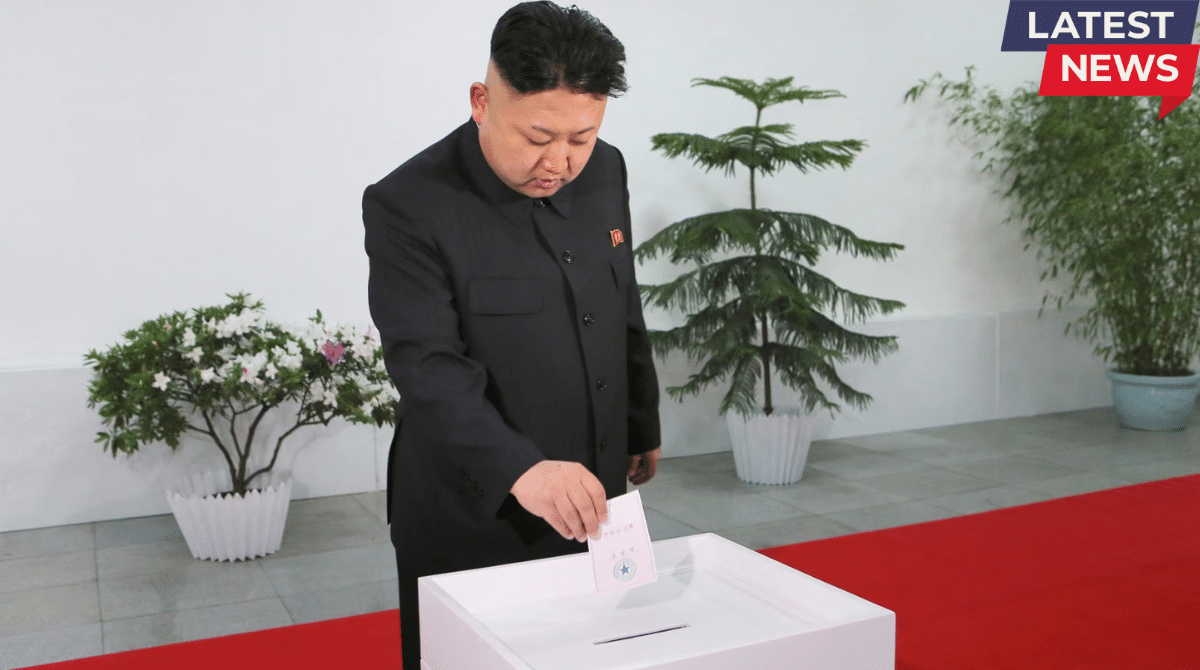
- A political figure to add credibility and emotional impact
At first glance, this combination is designed to evoke urgency and legitimacy, making viewers more likely to believe and share the information without verification.
Is the Claim True or Fake?
As of now, there is no credible or verified report from any major international news outlet, government source, or defense authority confirming such an incident.
Observations:
- No official statements from Iranian or U.S. authorities
- No coverage by global media organizations
- No satellite or independent verification of such an attack
- The images appear generic or reused from unrelated incidents
This strongly suggests that the claim is either misleading or completely false.
Why Such Misinformation Spreads Fast
In today’s digital age, misinformation spreads faster than ever. Content like this goes viral due to:
1. Emotional Triggering Content
Explosions, war imagery, and political figures instantly grab attention.
2. Lack of Verification
Most users don’t fact-check before sharing.
3. Algorithm Amplification
Social media platforms often push high-engagement content, regardless of accuracy.
4. Geopolitical Sensitivity
Tensions involving countries like Iran and the United States make such claims more believable.
Iran–US Relations: A Sensitive Context
The relationship between Iran and the United States has been tense for decades. Events such as sanctions, military standoffs, and diplomatic breakdowns have kept the region under global scrutiny.
However, any direct large-scale military attack on Iranian infrastructure—like the destruction of a major bridge—would be:
- A significant act of war
- Widely reported globally within minutes
- Likely followed by immediate international response
Since none of these have occurred, the viral claim lacks credibility.
Analyzing the Bridge Images
The images shown in such viral posts often include:
- A cable-stayed bridge in a mountainous region
- Civilian vehicles passing underneath
- Landscapes that may not even belong to Iran
In many cases, these images are:
- Taken from stock footage
- Pulled from older unrelated incidents
- Digitally edited to fit the narrative
This is a common tactic used in fake news propagation.
The Role of Digital Literacy
This situation highlights the importance of digital awareness and media literacy. As a reader or viewer, always:
- Cross-check information with trusted sources
- Avoid sharing unverified claims
- Look for official confirmations
- Analyze whether the content seems emotionally manipulative
Being informed helps prevent the spread of misinformation.
Impact of Fake News on Global Stability
False claims like these are not harmless. They can lead to:
- Public panic and fear
- Diplomatic misunderstandings
- Damage to international relations
- Spread of propaganda
In extreme cases, misinformation can even influence real-world conflicts.
How to Verify Such Claims
Before believing or sharing similar news, follow these steps:
1. Search for Reputable News Coverage
If it’s real, major outlets will report it.
2. Check Official Government Statements
Look for confirmation from verified authorities.
3. Reverse Image Search
Images can often be traced back to their original context.
4. Analyze the Language
Fake news often uses sensational headlines like “biggest,” “shocking,” or “breaking.”
Global Reaction to Viral War Claims
Even when false, such viral posts generate massive reactions:
- Social media debates
- Political discussions
- Panic among citizens
- Misinformation loops
This shows how powerful and dangerous unverified content can be.
The Bigger Picture: Information Warfare
In modern times, wars are not only fought with weapons but also with information. False narratives are often used to:
- Manipulate public opinion
- Create confusion
- Undermine trust in institutions
This makes it even more critical to rely on verified journalism and credible reporting.
Conclusion
The claim that the biggest bridge in Iran has been destroyed by American forces appears to be false and misleading, with no credible evidence supporting it. This is a classic example of how viral misinformation can spread quickly, especially when combined with emotional visuals and political narratives.
In a world flooded with information, the responsibility lies with each of us to verify before sharing. Staying informed, thinking critically, and relying on trusted sources are the best ways to combat the growing problem of fake news.