The US-Iran war has entered a critical phase with escalating airstrikes and retaliatory attacks shaking the Middle East. Iran launched a major offensive, targeting US Air Force assets and prompting evacuations in key Gulf cities like Doha. This comes amid intensifying conflict involving US, Israel, and Iranian forces.
key Highlights
- Iran destroys 5 US Air Force planes at Saudi King Abdulaziz base using Fateh-110 missiles; F-35s lost, runways cratered.
- Al Udeid Air Base targeted, triggering evacuations in parts of Doha, Qatar; airspace closed, highways blocked.
- US-Israel counterstrikes: 3,000+ attacks on IRGC sites, nuclear facilities like Parchin and Tehran; USS Gerald R. Ford launches sorties.
- Oil prices spike past $150/barrel due to Strait of Hormuz threats; fuel panic hits Asia, including India.
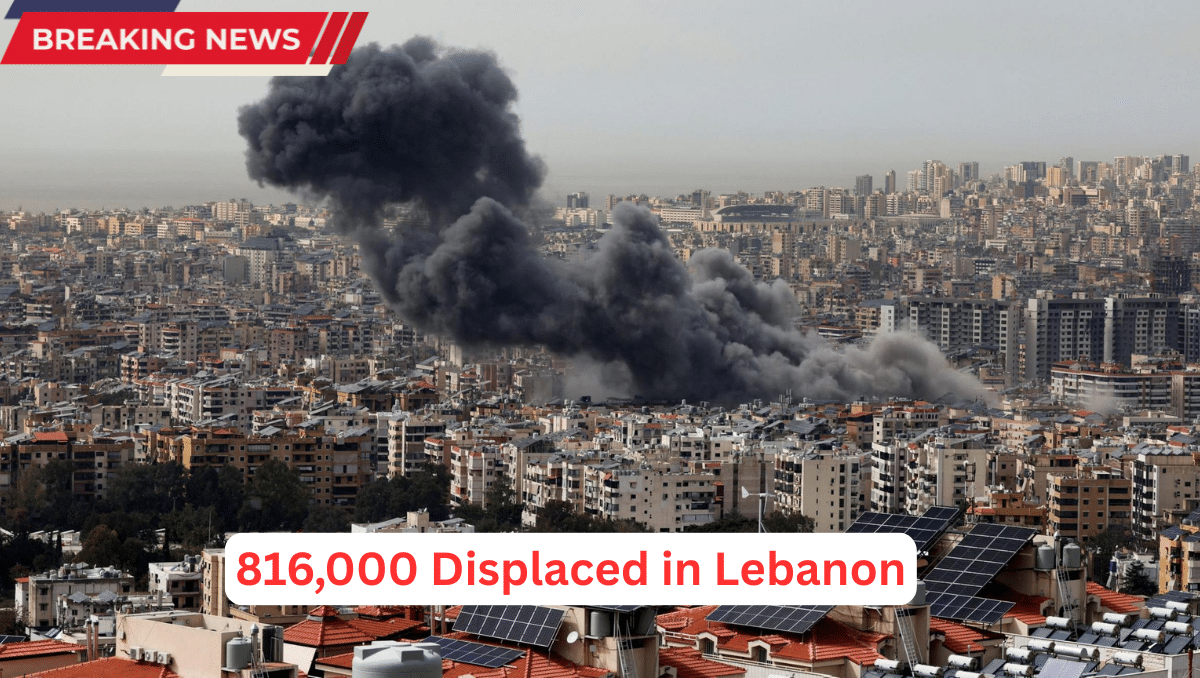
- Casualties exceed 1,000; 50,000+ displaced from Doha and Dubai strikes.
- Markets crash, especially tech/AI stocks; Saudi-US pact strengthens against Iran-Russia axis.
- President Trump vows overwhelming force for regime change; Israel’s Operation Roaring Lion targets Khamenei.
- Iran’s asymmetric warfare challenges US air superiority with hypersonic missiles.
Day Nine: Iran’s Bold Strikes
On day nine of the US-Iran war, Iran struck a US base in Saudi Arabia, destroying five US Air Force planes in a precise missile barrage. Iranian state media claimed the attack crippled US air operations, forcing emergency evacuations in parts of Doha, Qatar. Al Udeid Air Base, a critical US hub, saw chaos as personnel were rushed to safety amid incoming ballistic missiles.
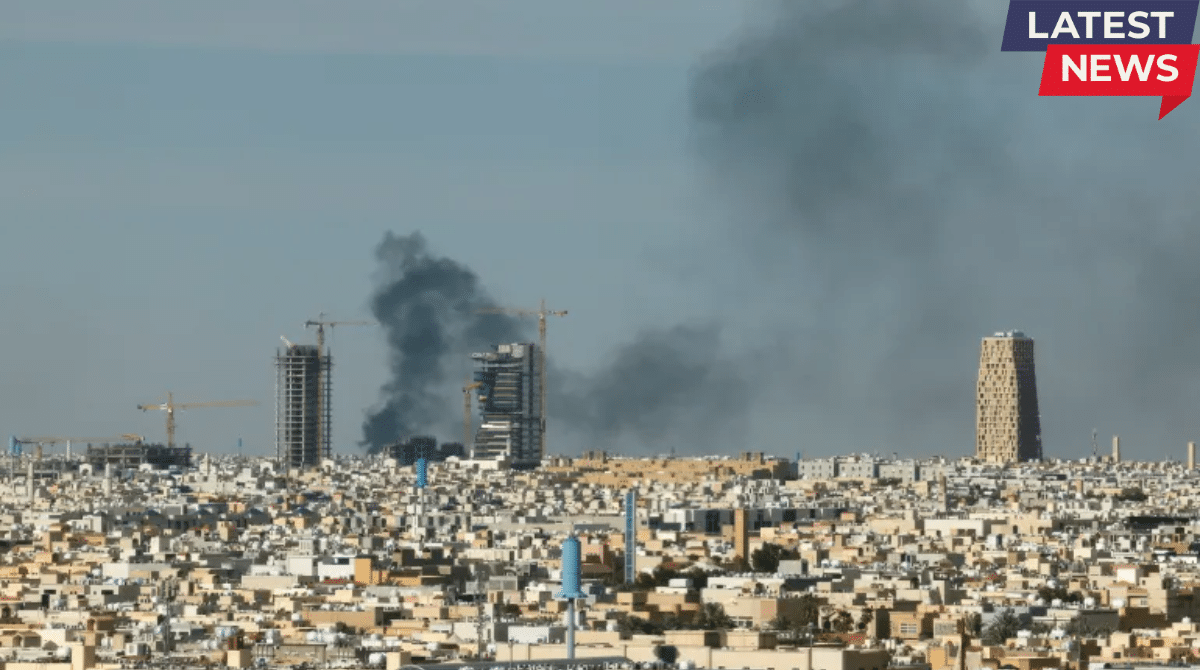
Saudi authorities confirmed the hits on their soil, with smoke plumes visible for miles. US officials reported minimal casualties but acknowledged significant damage to F-35 fighters and support aircraft. This retaliatory strike followed US-Israeli airstrikes on Iranian nuclear sites, escalating the proxy conflict into direct confrontation.
Doha Evacuations Spark Panic
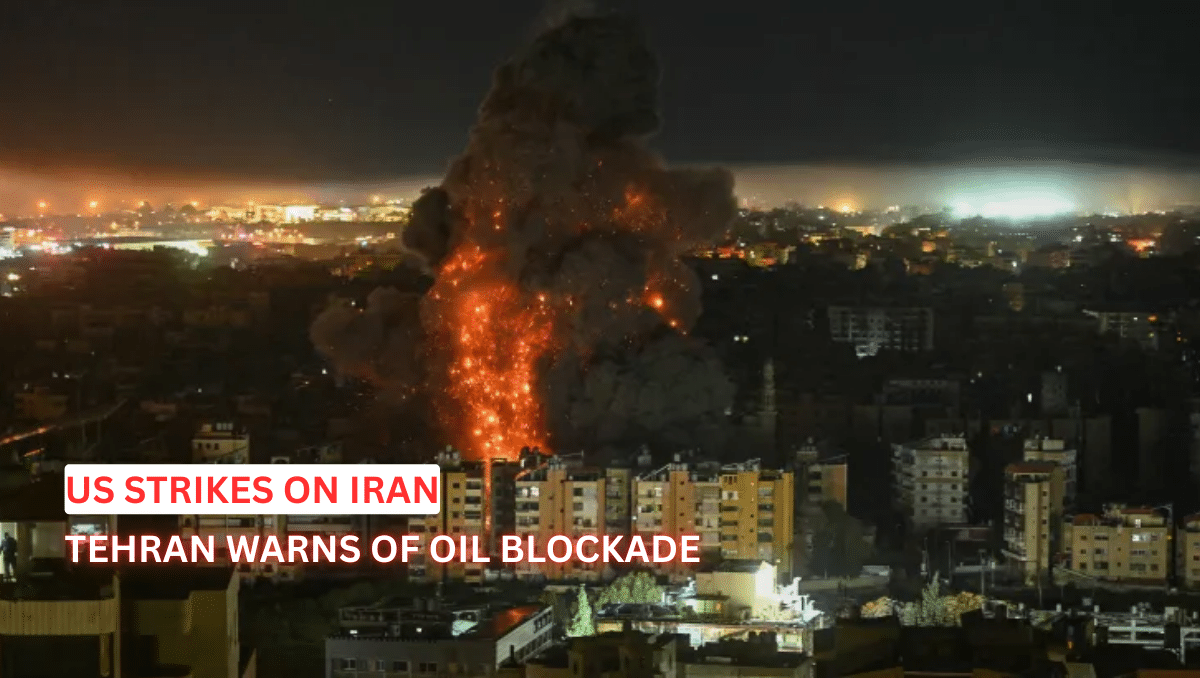
Parts of Doha were evacuated as Iranian missiles rained down on US assets in the region. Qatari officials ordered civil defense measures, shutting down airspace and key highways near Al Udeid. Eyewitnesses described explosions lighting up the night sky, with debris scattering across residential zones.
The US embassy in Doha issued shelter-in-place orders, while international flights were grounded. Fuel shortages gripped the city, tying into broader oil disruptions from Strait of Hormuz tensions. Local media highlighted fear among expatriates, many fleeing to safer areas.
Saudi Base Under Siege
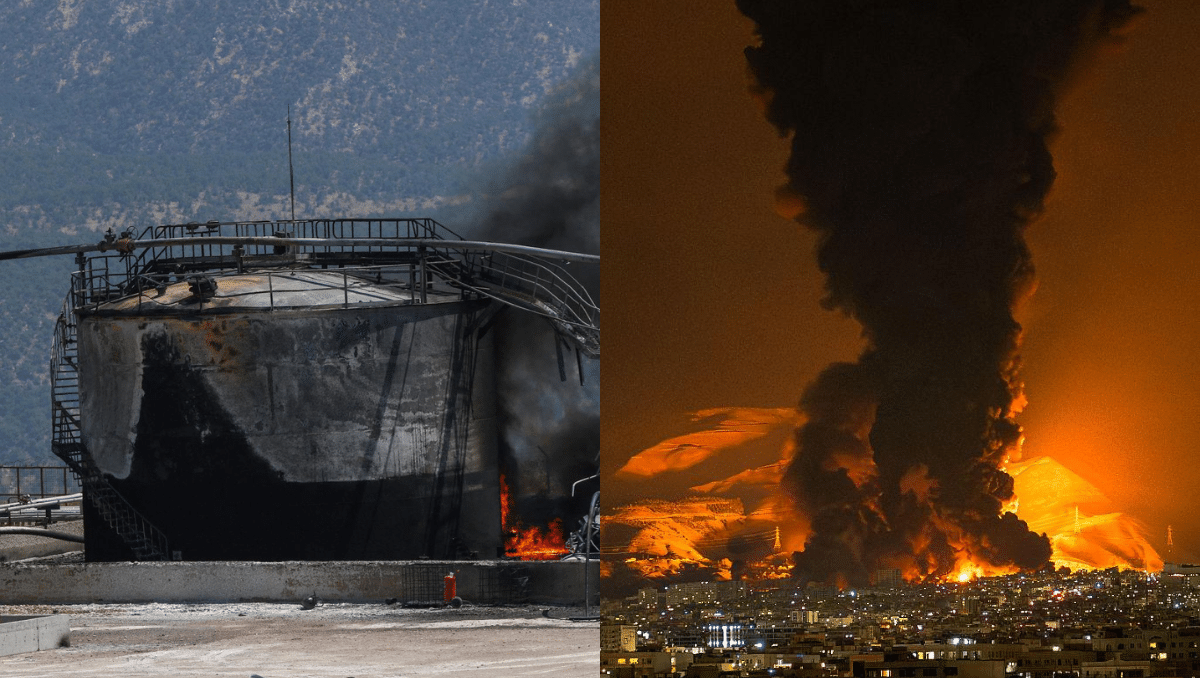
Iran focused its fury on a US Air Force base in Saudi Arabia, hitting five planes in a coordinated assault. IRGC missiles, dubbed Fateh-110 variants, pierced air defenses, causing massive secondary explosions. Satellite imagery showed runways cratered and hangars ablaze.
King Abdulaziz Air Base became ground zero, with US personnel scrambling to secure perimeters. Saudi Crown Prince condemned the attack as cowardly, vowing joint retaliation with US forces. This marks the heaviest blow to US aviation since the war’s onset.
US-Israel Response Intensifies
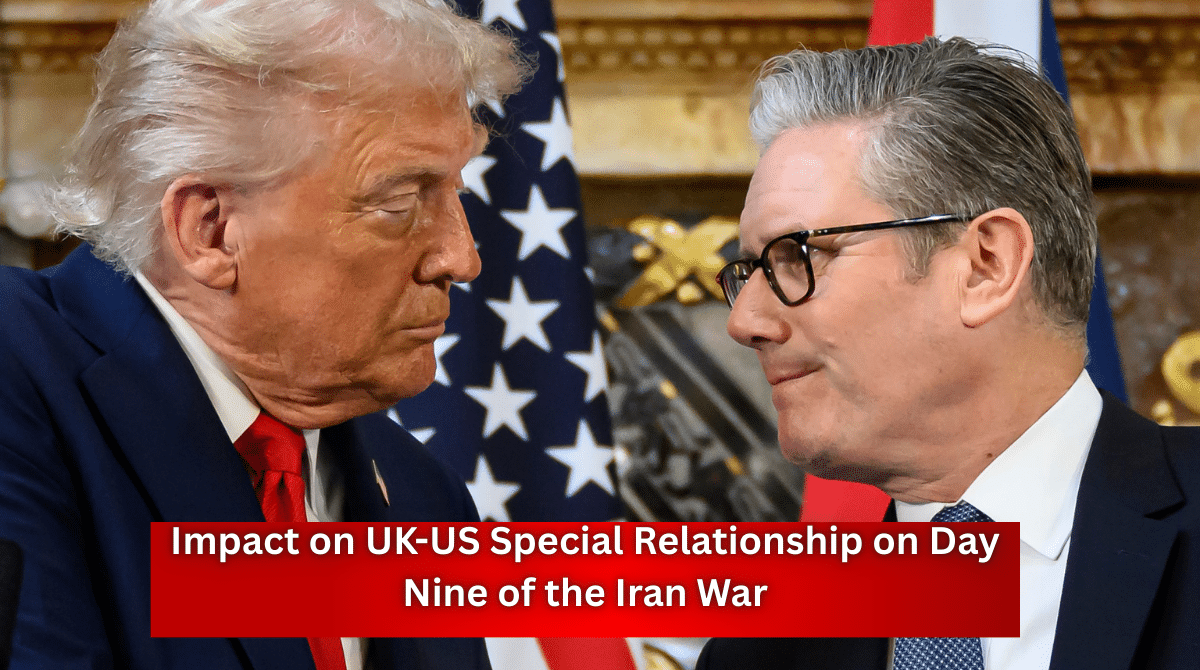
President Donald Trump, the current US president, addressed the nation, promising overwhelming force against Iran. US carriers like USS Gerald R. Ford repositioned in the Gulf, launching dozens of sorties. Israel joined with Operation Roaring Lion, striking IRGC headquarters in Tehran.
CENTCOM reported over 3,000 strikes on Iranian missile factories, including Parchin and Khojir complexes. Supreme Leader Khamenei‘s fate remains unclear after targeted assassinations. Axis of Resistance groups like Hezbollah mobilized, broadening the multi-front war.
Global Ripples and Oil Crisis
The US-Iran war triggered oil prices to spike above $150 per barrel, causing fuel panic across Asia and India. Strait of Hormuz saw tanker attacks, halting 20% of global supply. India’s Jabalpur residents, like many, face rising pump prices, impacting daily commutes.
UN Security Council called for ceasefire talks, but Trump dismissed them as weak. China and Russia backed Iran, supplying drones amid sanctions evasion. Stock markets plunged, with tech giants like those in AI sector hit hardest.
Key Impacts on Middle East
| Aspect | Details | Consequences |
|---|---|---|
| Military | 5 US planes destroyed; IRGC sites hit | Air superiority contested; Casualties over 1,000 |
| Civilian | Doha evacuations; Dubai strikes | Displacement of 50,000+; Hospital overload |
| Economic | Oil surge; Strait blockade threats | Global recession fears; India fuel hikes |
| Diplomatic | Saudi-US pact; Iran-Russia axis | NATO debates entry; Peace talks stalled |
Strategic Analysis
Iran’s strategy relies on asymmetric warfare, using hypersonic missiles to offset US tech edge. US-Israel coalition aims for regime change, targeting nuclear program remnants. Day nine highlights show Iran gaining ground psychologically, despite material losses.
Future Outlook
Escalation risks loom with Iran threatening US homeland targets. Trump’s four-week timetable nears, pressuring quick victory. Gulf allies like Saudi Arabia and Qatar brace for more Iranian hits.