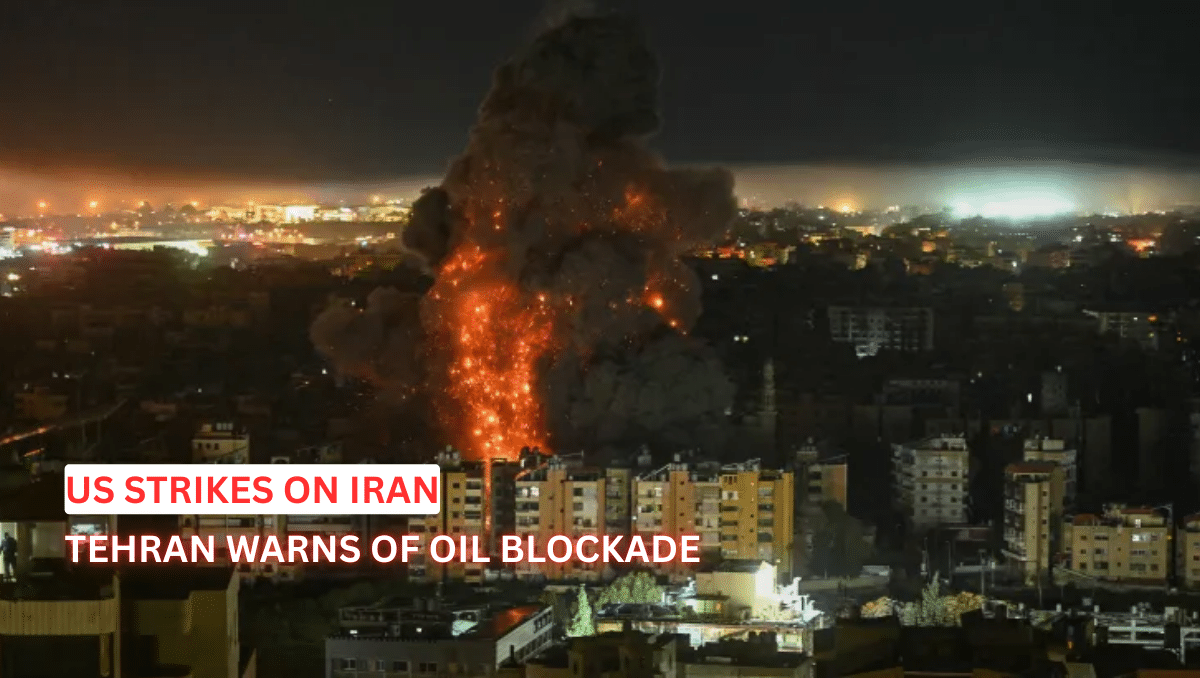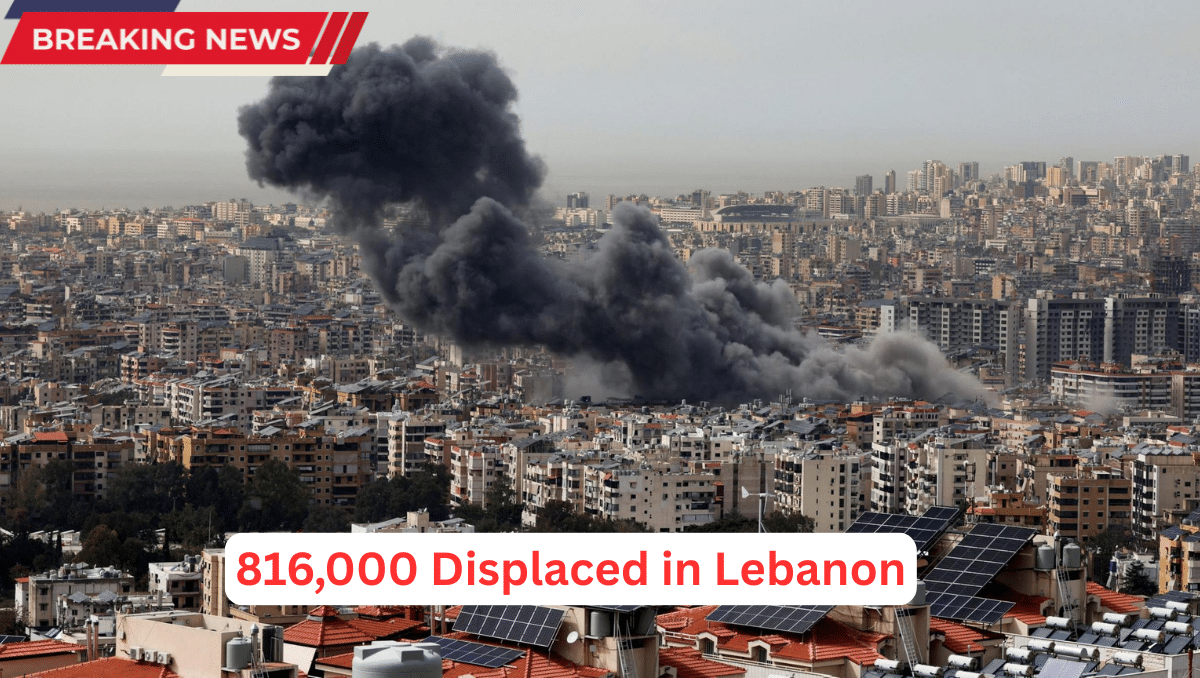
The Lebanon humanitarian crisis 2026 is rapidly escalating after the United Nations reported that more than 816,000 people have been displaced due to ongoing Israeli airstrikes and military operations across the country. The surge in violence, linked to the broader Israel-Hezbollah conflict and rising regional tensions involving Iran, has triggered one of the largest displacement emergencies Lebanon has seen in years.
UN officials warn that the humanitarian situation is deteriorating quickly as civilians flee bombardments, infrastructure collapses under pressure, and aid organizations struggle to provide basic services to hundreds of thousands of displaced families.
UN Reports Massive Displacement Across Lebanon
According to Lebanese authorities and UN agencies, over 816,000 residents have been registered as displaced since the latest escalation of Israeli strikes began in early March 2026. Many civilians have fled southern Lebanon and Beirut’s southern suburbs after repeated bombardments targeting areas believed to host Hezbollah positions.
Around 126,000 people are currently staying in collective shelters, including schools and public buildings, while many others are living in overcrowded conditions with relatives or in temporary camps.
The displacement wave has stretched Lebanon’s already fragile infrastructure, with authorities warning that emergency shelters, medical services, and food supplies are under severe strain.
Escalating Conflict Between Israel and Hezbollah
The crisis intensified after Hezbollah launched large-scale rocket and drone attacks into northern Israel, prompting a significant Israeli military response targeting suspected militant infrastructure in Lebanon.
Israeli warplanes have conducted repeated airstrikes on Beirut’s southern suburbs and several areas in southern Lebanon believed to host Hezbollah facilities. In retaliation, Hezbollah has fired rockets and missiles at Israeli military targets and cities near the northern border.
The latest round of violence has resulted in hundreds of deaths and thousands of injuries, with civilians accounting for a significant share of casualties, including children.
Civilian Impact and Humanitarian Concerns
Humanitarian organizations warn that the conflict is devastating ordinary Lebanese families who are already struggling with years of economic collapse and political instability.
Hospitals and healthcare facilities in several regions have been damaged or overwhelmed by the surge of casualties. Aid groups report shortages of medicine, clean water, and electricity in many displacement centers.
International relief organizations have described the situation as a major humanitarian emergency, warning that conditions could worsen if the fighting continues.
Regional Tensions Worsen the Crisis
The conflict in Lebanon is unfolding amid wider geopolitical tensions across the Middle East. Military actions involving Israel, Hezbollah, and Iranian-aligned forces have raised fears of a broader regional war.
Recent developments, including escalating confrontation between the United States and Iran, have increased global concerns about stability in the region. Analysts say these tensions could have serious implications for energy markets and international security.
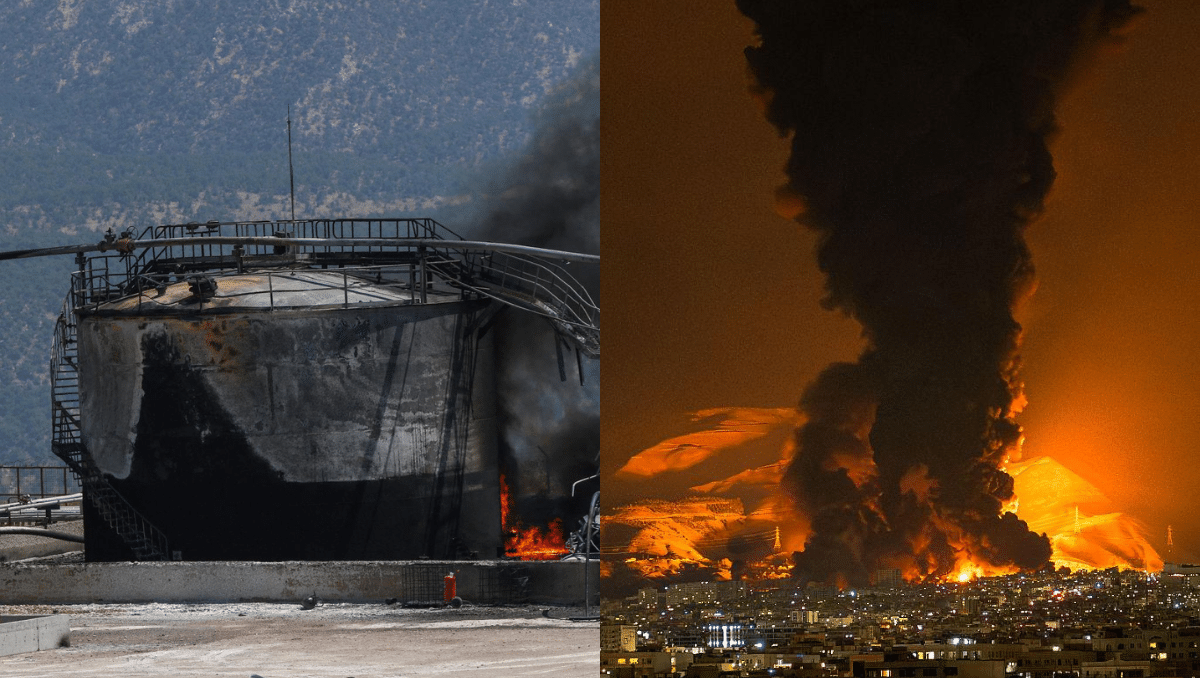
The growing geopolitical risk has also been highlighted in reports discussing how rising Middle East tensions and potential oil blockade threats could impact global energy supply,
International Calls for Ceasefire
At the United Nations Security Council, diplomats have urged immediate de-escalation and protection of civilians as displacement numbers continue to rise.
Several countries and humanitarian organizations have called for:
- Immediate ceasefire negotiations
- Safe humanitarian corridors
- Increased international humanitarian aid for displaced civilians
However, both Israel and Hezbollah have signaled that military operations will continue as long as security threats remain.
What Happens Next?
Analysts warn that the Lebanon humanitarian crisis 2026 could deepen further if the conflict expands into a wider regional confrontation.
With more than 800,000 people already displaced, Lebanon now faces mounting pressure on its fragile economy, healthcare system, and social infrastructure. Without urgent diplomatic intervention and large-scale humanitarian assistance, the crisis risks becoming one of the worst displacement emergencies in the Middle East in recent years.
Sources
Reuters
Al Jazeera
The Guardian
International aid agency briefings