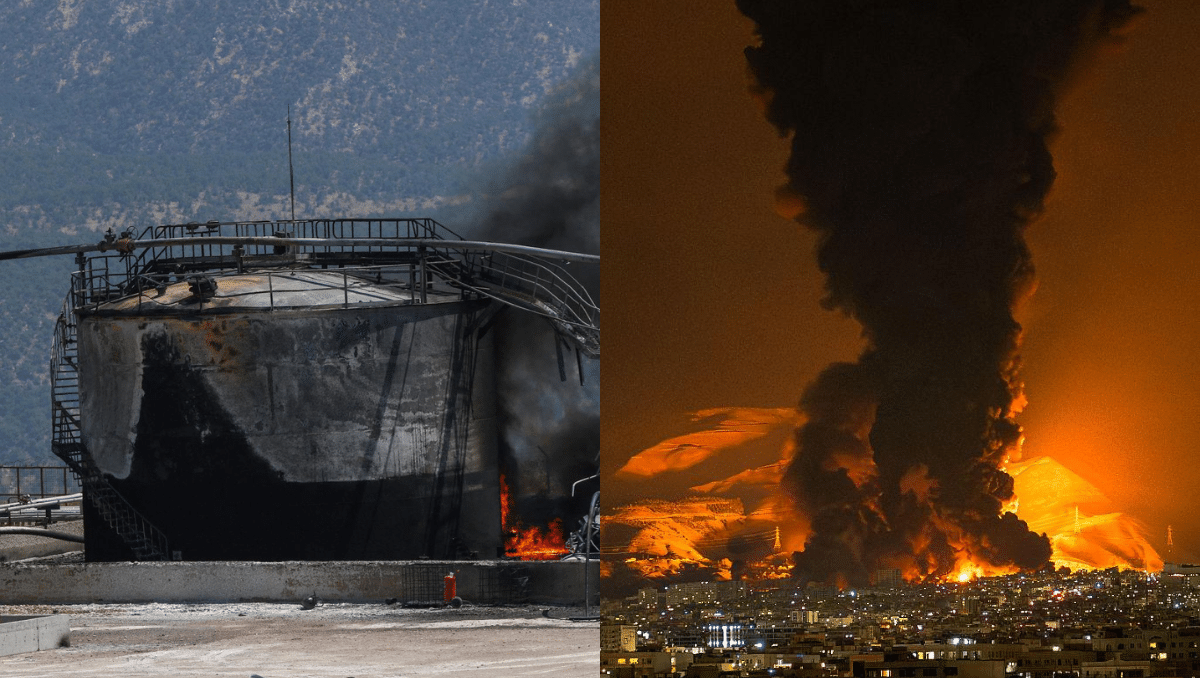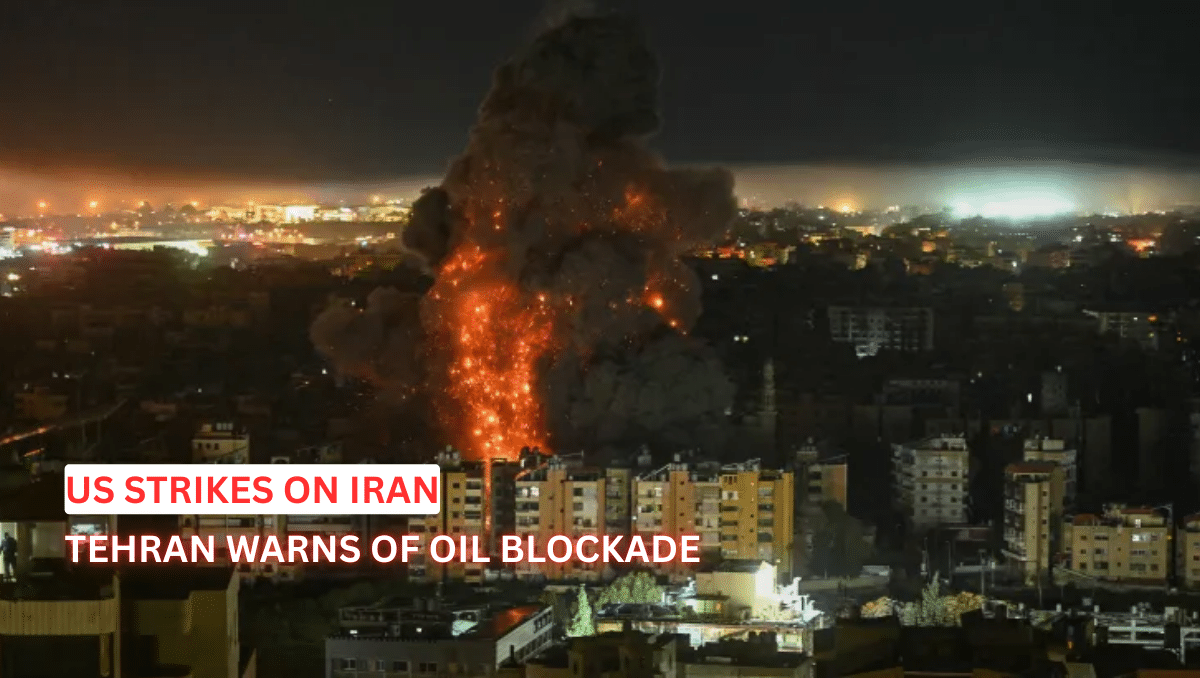
The latest US strikes on Iran have sharply escalated tensions in the Middle East, with U.S. officials describing the recent wave of attacks as the “most intense day” of operations so far. Washington says the strikes targeted Iranian military infrastructure, while Tehran has issued a serious warning that it may move to block oil exports if the attacks continue.
The standoff now extends far beyond a military confrontation. Analysts warn the crisis could threaten global oil supply routes, disrupt energy markets, and increase the risk of a wider regional conflict.
What Happened During the Latest US Strikes
U.S. Defense Secretary Pete Hegseth said American forces carried out coordinated strikes on multiple Iranian-linked targets. According to Pentagon officials, the operations were designed to weaken Iran’s military capabilities and reduce threats to U.S. forces and regional allies.
The strikes reportedly focused on facilities connected to military operations and strategic infrastructure. Officials described the operation as the most significant escalation in recent months, reflecting rising tensions between Washington and Tehran.
While the United States says the strikes are defensive in nature, Iranian officials argue they represent an aggressive expansion of military pressure. Tehran has warned that continued attacks could provoke stronger retaliation.
Historical Context Behind US Iran Conflict Escalation
Relations between the United States and Iran have been strained for decades, shaped by sanctions, political rivalry, and competing regional influence. Periodic military incidents have repeatedly raised fears of direct confrontation.
Recent years have seen an increase in drone incidents, maritime tensions, and regional proxy conflicts. Analysts say these developments have steadily raised the risk of open conflict between the two countries.
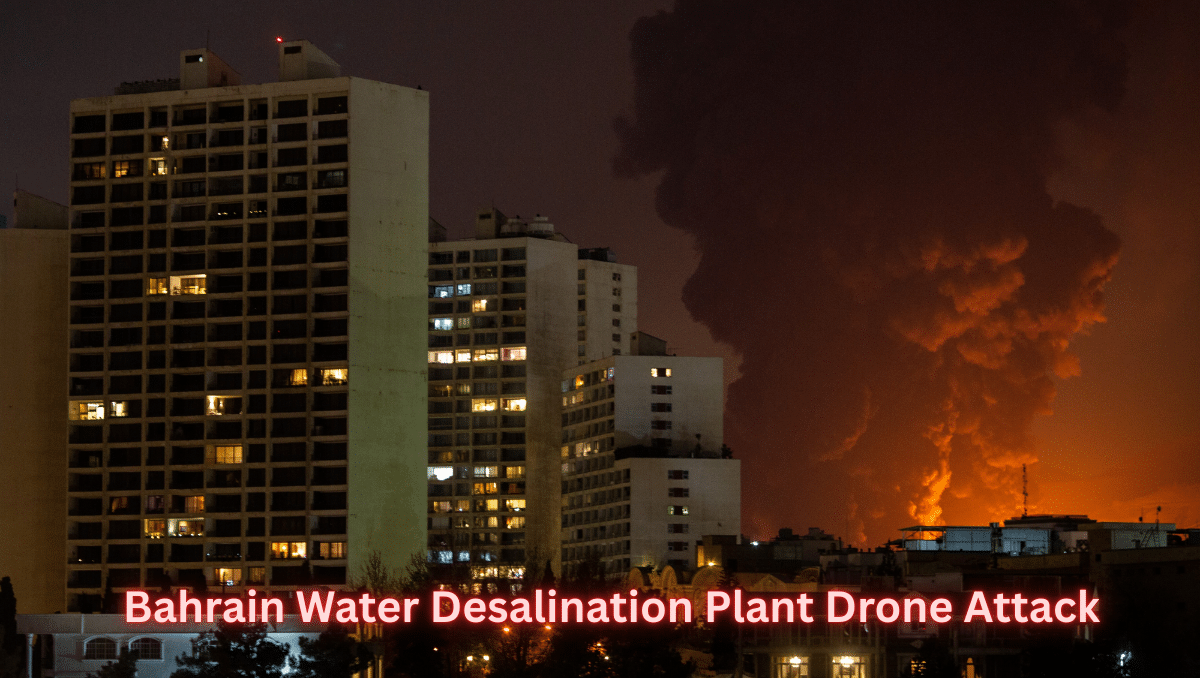
Concerns about infrastructure security have also grown after incidents such as drone strikes that damaged key Middle East infrastructure, which highlighted how vulnerable critical facilities in the region can be during periods of heightened tension.
These developments provide important context for the latest escalation, which many observers see as part of a broader strategic struggle for influence in the Middle East.
Iran’s Oil Blockade Threat Raises Global Energy Concerns
One of the most serious warnings from Tehran involves the possibility of restricting oil shipments if the attacks continue.
Iran has suggested it could move to disrupt shipping routes in the Persian Gulf, particularly around the strategically vital Strait of Hormuz. This narrow waterway carries a significant portion of the world’s crude oil exports, making it one of the most critical energy corridors globally.
Any disruption to shipping through this route could have immediate consequences for energy markets. Even the threat of instability can push oil prices higher as traders react to potential supply shortages.
Energy-importing nations across Asia and Europe are especially sensitive to disruptions in Middle East oil flows, meaning the economic impact of such a move could spread quickly across global markets.
Escalation Risks Across the Middle East
Beyond energy markets, the current crisis raises the possibility of a wider regional conflict.
Iran maintains relationships with allied groups across several Middle Eastern countries, and analysts warn that any further escalation could involve multiple actors. This would dramatically increase the geographic scope and complexity of the confrontation.
Western governments are closely monitoring the situation, concerned that retaliation could target U.S. military bases or allied infrastructure in the region.
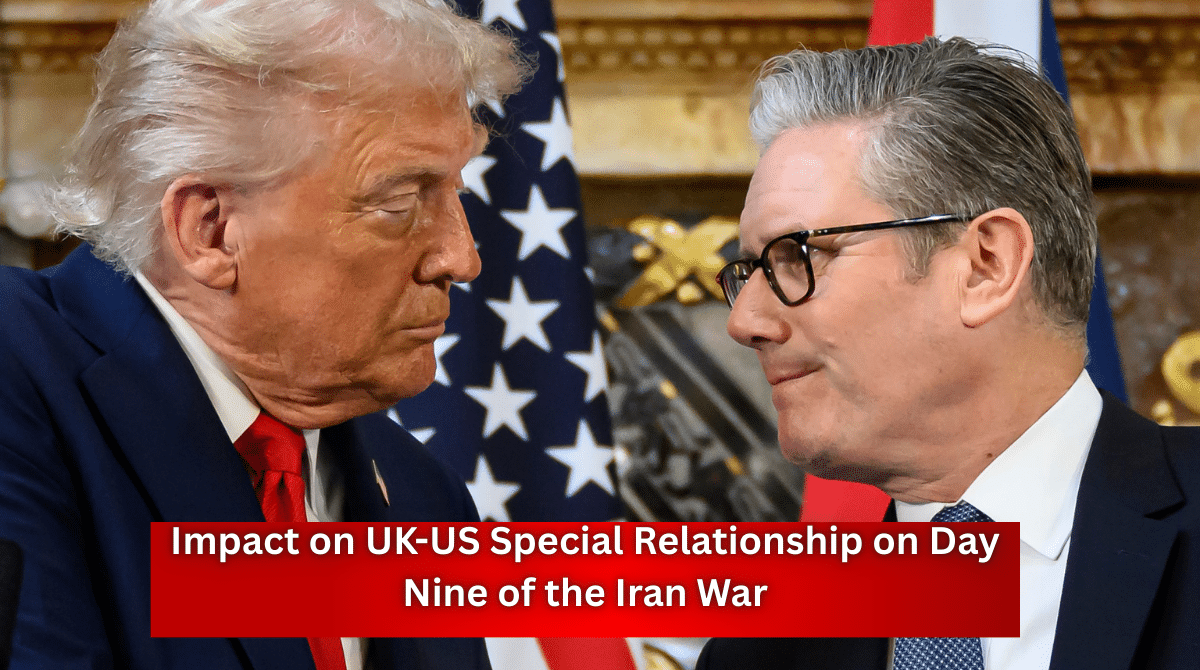
Diplomatic efforts are continuing behind the scenes, with international partners attempting to reduce tensions before the situation spirals further. The importance of maintaining coordinated Western responses has also been highlighted in discussions around UK–US strategic coordination during the Iran war developments, which analysts say could shape how the crisis evolves.
What Happens Next
The next phase of the crisis will likely depend on how both sides respond in the coming days.
If additional U.S. strikes occur, Iran may feel compelled to take stronger countermeasures. Those could include military responses, cyber operations, or economic actions such as restricting oil flows through key maritime routes.
At the same time, diplomatic channels remain open. Several international actors are expected to push for negotiations aimed at preventing the confrontation from expanding into a broader regional war.
For global markets and policymakers alike, the situation now represents a critical test of whether military escalation can be contained before it triggers wider economic and security consequences.
Sources
- U.S. Department of Defense briefings
- International Energy Agency oil market reports
- United Nations Security Council statements