Impact on UK-US Special Relationship on Day Nine of the Iran War
The ninth day of the escalating Iran war has brought renewed attention to the “special relationship” between the United States and the United Kingdom. Traditionally considered one of the strongest diplomatic alliances in the world, the partnership is now facing strategic disagreements, political tensions, and public scrutiny as the conflict unfolds.
Key Highlights
- Iran war exposes policy differences between the US and UK
- Military cooperation continues despite political tensions
- Public opinion in Britain favors a cautious approach
- Energy markets and global security impacted by conflict
- Future of the UK-US alliance depends on strategic coordination
Background: The Iran Conflict and Western Alliances
The current crisis began after Iran faced coordinated strikes involving the United States and its regional partners. The conflict quickly escalated with retaliatory missile and drone attacks across the Middle East, drawing in multiple global powers and raising fears of a wider war.
The United Kingdom, historically a close ally of Washington, initially chose a cautious approach. Instead of joining offensive military operations, London focused on defensive support and diplomatic coordination with Western allies.
This cautious stance has sparked debate about whether the UK-US alliance is evolving into a more independent partnership rather than automatic military alignment.
Political Differences Between Trump and Starmer
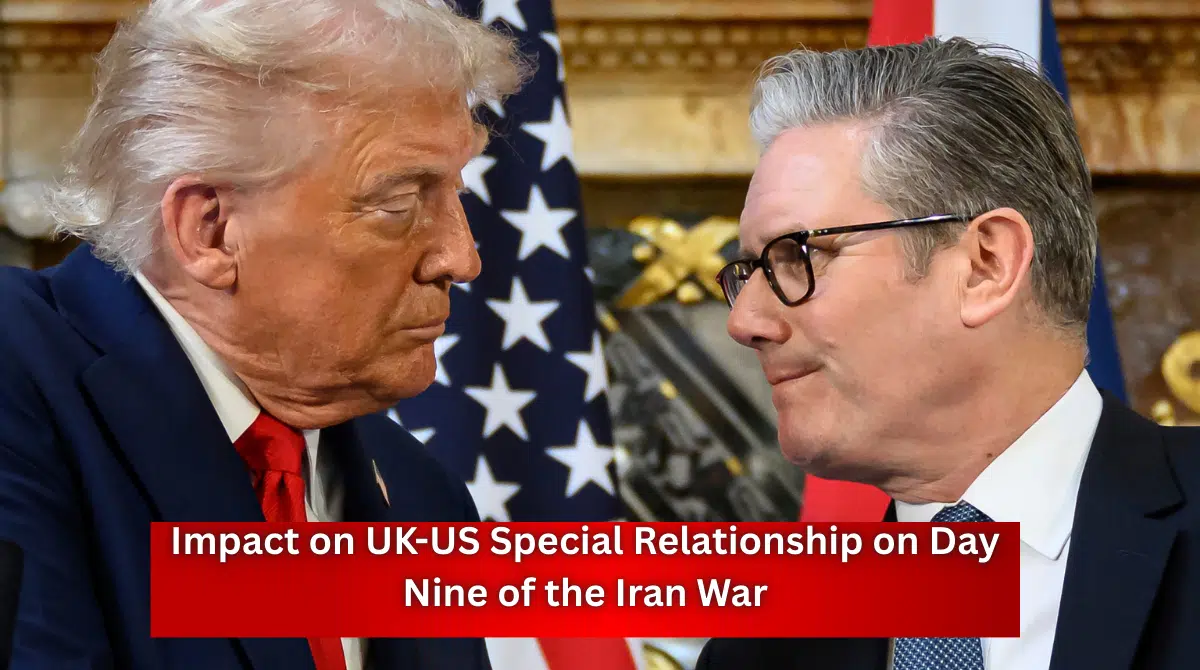
One of the most significant factors influencing the relationship is the difference in leadership styles between Donald Trump and Keir Starmer.
- The US administration has taken an aggressive military stance, emphasizing decisive action against Iranian targets.
- The UK government has prioritized strategic caution, stressing international law and long-term regional stability.
These contrasting approaches have led to diplomatic friction. Reports indicate that Washington launched early strikes without sharing detailed operational plans with London, highlighting a temporary breakdown in traditional intelligence coordination.
Despite the disagreements, both governments continue to emphasize that the special relationship remains intact, particularly in intelligence sharing and defense collaboration.
Military Cooperation Still Continues
Although the UK did not initially participate in the offensive strikes, it has allowed US military operations from certain British bases in defensive contexts. This includes logistical support and regional security coordination.
Key areas of cooperation include:
- Shared intelligence networks
- Use of UK bases by American forces
- Joint defense against missile threats
- Coordination with NATO allies
The continued use of Royal Air Force facilities and intelligence systems demonstrates that military cooperation remains strong, even if strategic decisions differ.
This arrangement reflects a broader shift in how the UK approaches foreign conflicts: supporting allies without necessarily joining direct combat operations.
Public Opinion and Political Pressure in Britain
Another factor affecting the relationship is public opinion in Britain. Surveys show that a large portion of the British public is skeptical about joining a new Middle Eastern war, especially after the long-lasting consequences of the Iraq War.
Within British politics, reactions have been mixed:
- Some politicians argue the UK should stand firmly with the US.
- Others support the government’s cautious stance to avoid another prolonged conflict.
This domestic debate places Prime Minister Starmer in a delicate position: balancing alliance loyalty with public opposition to military escalation.
Economic and Energy Implications
The Iran conflict is also influencing the global economy and energy markets. Rising tensions in the Persian Gulf have pushed oil prices higher, raising concerns about inflation and energy security in Europe.
The UK government has reassured citizens that energy supplies remain stable, but officials acknowledge that prolonged conflict could increase costs and disrupt global markets.
For the United States and the United Kingdom, economic stability is another reason why close coordination remains essential, even when military strategies differ.
Strategic Importance of the UK-US Alliance
Despite temporary disagreements, the UK-US special relationship remains one of the most important partnerships in international politics.
Key pillars of the alliance include:
- Intelligence sharing through the Five Eyes alliance
- Joint military operations and NATO coordination
- Economic and trade partnerships
- Diplomatic alignment on global security issues
Even during moments of tension, both governments recognize that cooperation between Washington and London is vital for global stability.
Possible Future Scenarios
As the Iran war continues, several outcomes could shape the future of the UK-US relationship.
1. Stronger Strategic Alignment
If the conflict escalates further, the UK may increase its military support to protect regional allies and shipping routes.
2. Continued Independent Position
London could maintain a supportive but non-combat role, focusing on defense, humanitarian aid, and diplomacy.
3. Diplomatic Push for Peace
Both countries may eventually shift toward negotiations aimed at de-escalating the crisis and preventing wider regional war.
Each scenario will influence how closely the two allies align in the coming months.
Conclusion
Day nine of the Iran war highlights the complex nature of the UK-US special relationship. While the alliance remains strong in intelligence, defense coordination, and diplomatic cooperation, policy differences between Washington and London have become more visible.
Rather than signaling a collapse of the partnership, the current tensions may reflect a modernized alliance where both countries pursue shared goals while maintaining independent strategies.
As the conflict continues, the ability of the United Kingdom and the United States to coordinate effectively while respecting political differences will be crucial for regional security and global stability.The ninth day of the escalating Iran war has brought renewed attention to the “special relationship” between the United States and the United Kingdom. Traditionally considered one of the strongest diplomatic alliances in the world, the partnership is now facing strategic disagreements, political tensions, and public scrutiny as the conflict unfolds.
While military coordination continues in several areas, policy differences between Donald Trump and Keir Starmer have sparked debate over how aligned the two nations remain in the Middle East crisis. The developments highlight the delicate balance between security cooperation and national policy independence.