Rising oil prices benefit Russia as global Brent crude prices climb above $84 per barrel in March 2026. This spike comes from geopolitical tensions in the Middle East, including US-Iran conflicts and supply fears.
This matters now because oil makes up nearly 30% of Russia’s federal budget. Higher prices mean more cash for the government, even with sanctions on Russia. The rest of this article breaks down the causes, Russia’s wins, challenges, and what it means for the world.
Key summary
- Brent crude prices hit $84.20 on March 5, up 23% in a month from Middle East risks.
- Russia sells Urals crude at $57 per barrel, above its $59 budget plan, boosting tax income.
- Oil price surge driven by Iran war, OPEC cuts, and global energy demand rise.
- Russian oil exports to China and India stay strong, ready to ramp up supply.
- Energy revenues could add fiscal relief despite Ukraine war costs and drone hits.
- Ruble strengthening from oil cash helps stabilize Russia’s economy.
Rising Oil Prices Benefit Russia Through Revenue Jump
Russia feels the upside fast from this oil price surge. Crude oil market shifts put money in Moscow’s pockets. In early 2026, fossil fuel exports hit €464 million per day in January, with crude up 8% month-on-month.
Energy revenue boost is key. Oil and gas taxes fund up to 30% of the budget, covering military spend and social needs. With Brent crude prices over budget levels, March looks strong for collections. Russia’s Deputy PM said oil is “in demand,” and supplies to big buyers like China and India can grow.
Short paragraphs keep it simple: Prices rose from $72 pre-tensions to $82+, lifting Urals from lows. This beats Russia’s 2026 plan, easing borrowing needs. Global energy demand from winter and growth adds fuel.
How Exports Drive the Win
Russian oil exports face hurdles but hold firm. Volumes rose 6% year-on-year despite discounts. Seaborne crude revenues jumped 12% to €156 million daily in January.
Buyers in Asia snap it up. China and India take most, ignoring some Western pressure. Drone attacks on ports like Sheskharis slow things, but reserves wait ready.
Bold fact: Without this surge, revenues sat 27% below pre-war peaks. Now, fiscal relief comes as growth stalls from high war costs.
Crude Oil Market Drivers Behind the Spike
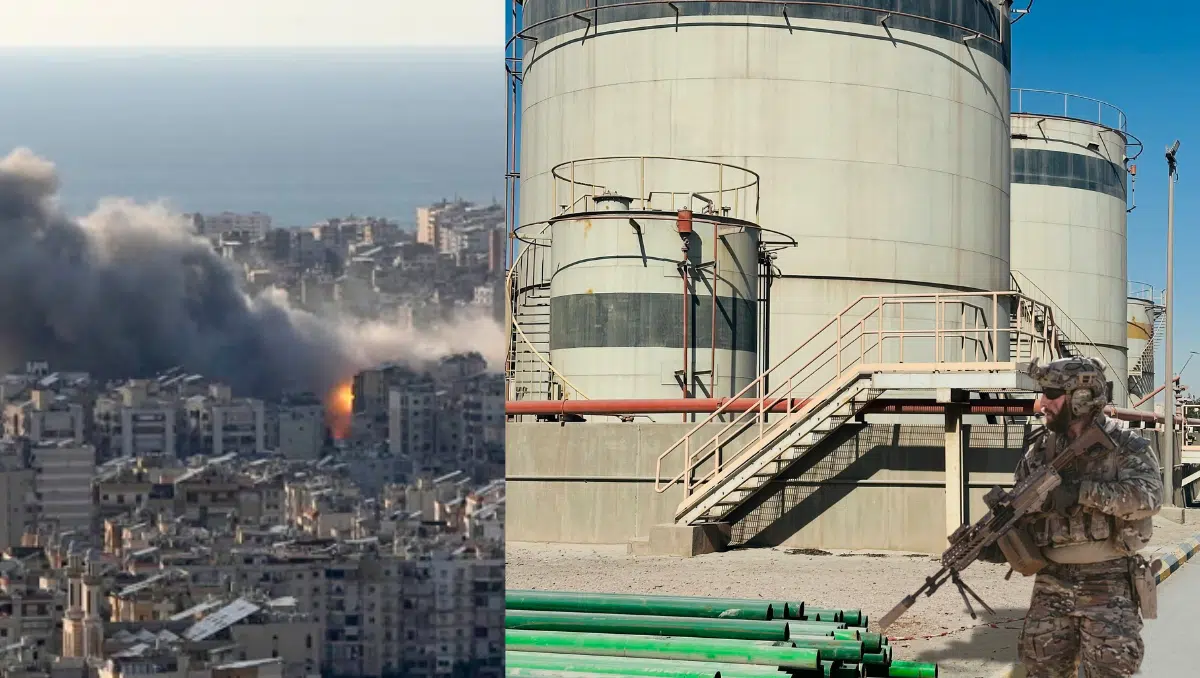
The crude oil market heats up from multiple sides. Geopolitical tensions top the list – US-Iran war disrupts Hormuz Strait shipping, a key route.
OPEC+ production cuts tighten supply. They hold at 43.1 million barrels per day, but risks push prices. Kazakhstan outages and Venezuela sanctions add pressure.
This table shows clear drivers. Oil price surge isn’t random – it’s supply fears meeting steady demand.
Middle East Ties to Russia
Iran conflict helps Russia big. As Iran’s ally, Moscow sells stored sanctioned barrels. US calls for tougher enforcement, but eager Asian buyers keep flows going.
Experts note Russia as “big winner” from energy turmoil. Higher prices mean war funding stays easy. Putin uses tax hikes too, but oil eases the load.
Challenges for Russian Oil Exports
Not all smooth. Sanctions on Russia cap prices – Urals trades at discount to Brent. US hits on Rosneft and Lukoil tighten seaborne flows.
Ukraine drones and storms crippled ports in early 2026. Exports dipped 3.4% in late 2025 from low prices and China slowdown.
Ruble strengthening hurts too – converts export dollars to fewer local rubles. Still, net gain as Urals tops budget benchmarks.
Russia plans 10.54 million barrels daily output in 2026, up from 2025. Talks on Ukraine ease some risks, but drones persist.
Energy Revenue Boost: Budget and Economy Impact
This cash flow matters for everyday Russians. Oil funds pensions, roads, and defense. Stagnant growth from military spend gets relief.
Finance Ministry assumed $59 Urals; reality at $57+ but rising volumes help. March budget beats plans, per analysts.
OPEC production cuts aid as Russia aligns. Global surplus fears (3.7-4M bpd) cap upside, but tail risks keep prices firm.
For users: If you track energy stocks or travel, watch this. Higher gas at pumps worldwide, but Russia thrives.
Global Ripple Effects from Oil Price Surge
World feels it. US gas at $3.11/gallon from seasonal shifts plus tensions. India, China push for stable supply.
Geopolitical tensions link Iran, Ukraine, Israel. Russia navigates talks with all, boosting diplomatic clout.
Oversupply looms with Russia output rise, but disruptions win short-term. IEA notes volatility ahead.
Check global energy crisis for more on demand shifts.
What This Means for Russia and You
Rising oil prices benefit Russia long-term if surges hold. Energy revenue boost strengthens the ruble and budget, funding needs amid sanctions on Russia.
Challenges like drones persist, but exports to Asia shine. For global readers, expect pump price hikes – plan budgets wisely.
Russian oil exports stay key. Watch OPEC decisions 2026 for cuts.
This sets Russia up strong in crude oil market. Stay tuned via oil market trends.