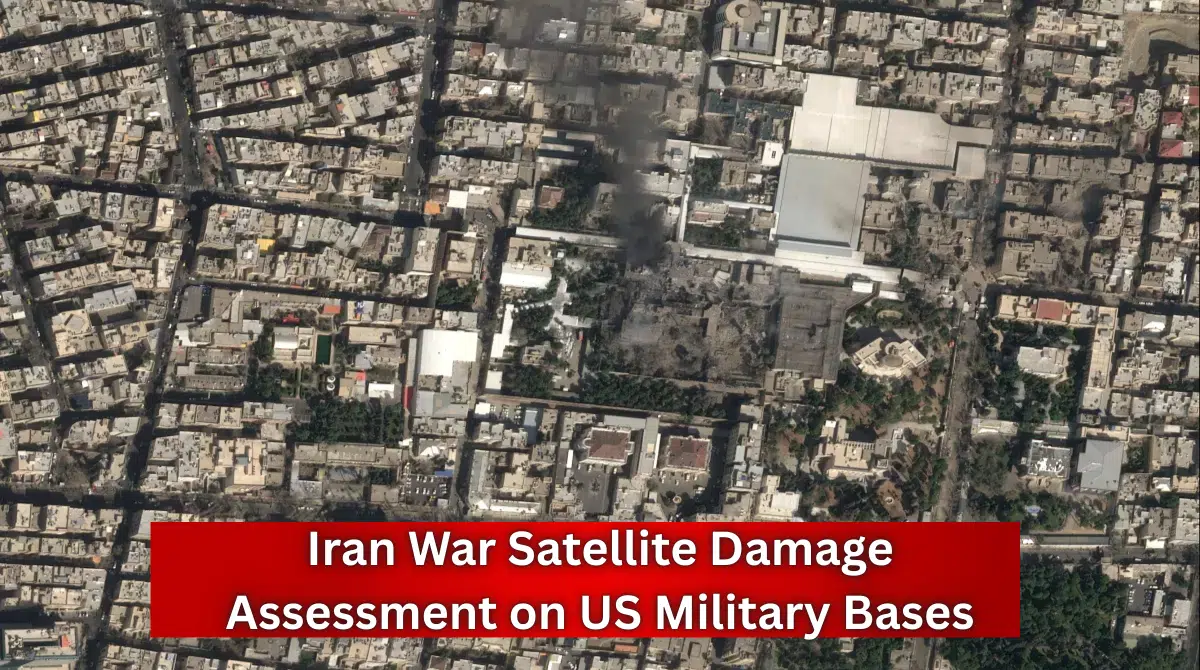
Iran war satellite damage assessment on US military bases reveals extensive destruction from recent Iran missile strikes. High-resolution images from commercial satellites show clear signs of hits across key sites in the Middle East.This matters because it marks a major escalation in Persian Gulf tensions, affecting global oil prices, travel safety, and regional stability for millions. The rest of this article breaks down the satellite imagery analysis, specific base damages, and what it means for everyday people and world security.
Key Summary
- Satellite images confirm destroyed comms terminals at US Navy’s Fifth Fleet HQ in Bahrain.
- Damage spotted at Al Udeid Air Base in Qatar, with scorch marks from hypersonic missile impact.
- Hits reported near Ali Al Salem Air Base in Kuwait and Camp Arifjan, plus Erbil Airport in Iraq.
- Iranian strikes targeted 10+ US-linked sites across Gulf states since early March 2026.
- No major US casualties confirmed yet, but bases remain on high alert amid ongoing conflict damage report.
- Escalation raises fears of wider war, impacting energy costs and flight routes worldwide.
Iran War Satellite Damage Assessment Details
What Satellites Show First
Commercial firms like Planet Labs and Airbus captured before-and-after images starting March 1, 2026. These photos highlight military base damage from Iran’s retaliatory barrages after US-Israel strikes on Iranian nuclear sites.
In Bahrain, two key satellite communications terminals at the Fifth Fleet headquarters lie in ruins. Dark smoke scars and debris fields stand out clearly. This base handles naval ops across the Gulf, so the hit disrupts coordination.
Qatar’s Al Udeid Air Base Under Fire
Al Udeid, the largest US base in the Middle East, took a direct Iran missile strike. A June 2025 image already showed early scorch marks from prior attacks, but fresh 2026 shots reveal worse: a geodesic dome gone, with burn marks on nearby buildings.
Pentagon officials called it “minimal damage,” but visuals tell a different story. Runways look intact for now, yet equipment hangars show craters. This base hosts B-52 bombers and drones vital for regional patrols.
Kuwait saw chaos too. Near Ali Al Salem Air Base, satellite views capture fresh craters and fire damage. Camp Arifjan, a logistics hub, has structural hits on warehouses. Casualties emerged here first, though numbers stay low.
US Bases in Middle East Hit Hardest
Iraq and UAE Targets
In Iraq, Erbil International Airport near a US site shows blast marks on runways and hangars. Post-strike assessment points to precision hypersonic missile impact, limiting wider chaos but grounding flights.
Jebel Ali Port in UAE, close to US facilities, has port cranes toppled and dock damage. This chokepoint handles 15% of global trade, so disruptions spike shipping costs already.
Broader Gulf Impact
Iran’s proxies hit sites in 10 countries, per imagery analysis. Saudi bases report near-misses, while Dubai interests faced drone swarms. Satellite imagery analysis tracks over 1,250 US strikes on Iran first, triggering this wave.
| Base Location | Key Damage Seen | Impact Level | Strategic Role |
|---|---|---|---|
| Bahrain (Fifth Fleet) | Comms terminals destroyed | High | Naval command |
| Qatar (Al Udeid) | Hangars, scorch marks | Medium-High | Air operations |
| Kuwait (Ali Al Salem) | Craters, fires | Medium | Logistics airlift |
| Iraq (Erbil) | Runway blasts | Medium | Intel hub |
| UAE (Jebel Ali) | Port structures | Low-Medium | Supply chain |
This table sums up the worst hits. Regional security risks grow as bases repair amid threats.
Why Iran Chose These Targets
Iran aimed at symbols of US power. US bases in Middle East like Al Udeid host 10,000+ troops. Striking them sends a message after US “Operation Epic Fury” hit Iran’s Natanz nuclear site and Konarak drone base.
Experts note Iran’s hypersonic missiles evaded some defenses. One scored a rare direct hit on Al Udeid gear. Yet, most bases stay operational, per official updates.
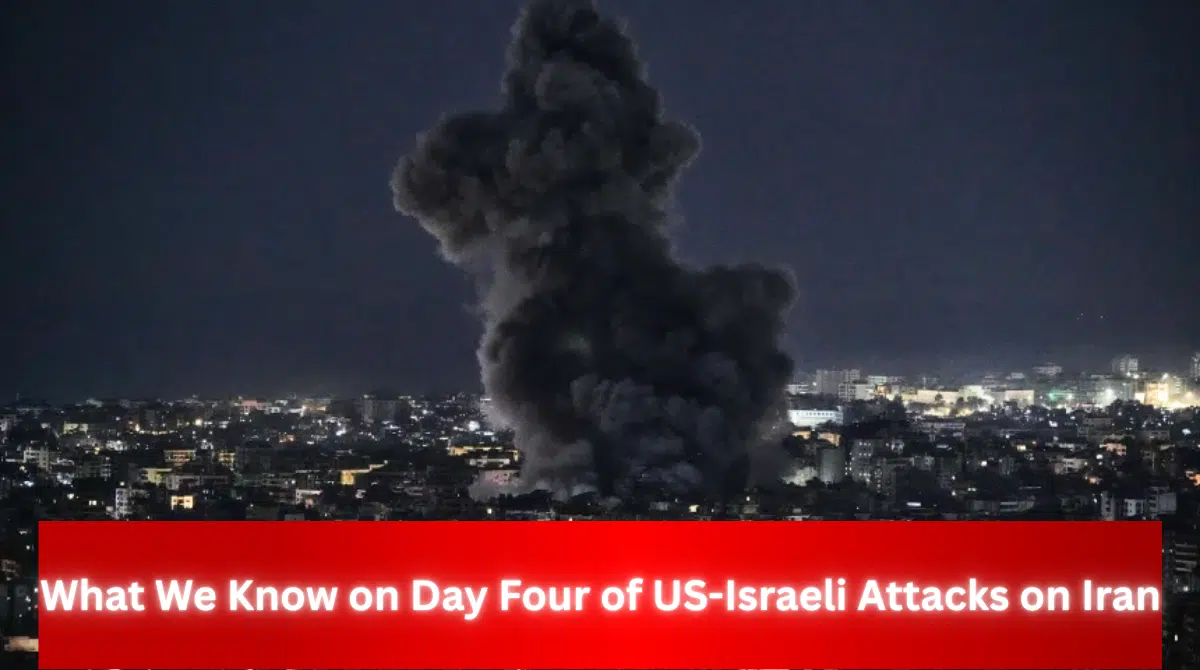
For users like you tracking news, this shows satellite imagery as a game-changer. Civilians see real proof, not just claims. Check day four US-Israeli attacks Iran updates for live scores on the conflict’s sports-like pace.
Real-World Effects on Daily Life
Oil Prices and Travel
Persian Gulf tensions already pushed oil to $100+ per barrel. Damaged ports mean higher gas at pumps worldwide. Flights avoid Iraqi airspace, delaying trips from India to Europe.
Businesses feel it: UAE ports handle gadgets you buy on Flipkart. Delays could hike phone prices like iPhone 16 or OnePlus.
Safety for Expats
Over 1 million Indians live in Gulf states. Bases near cities raise embassy alerts. Families worry about blackouts or evacuations if strikes spread.
Governments urge calm, but military base damage fuels uncertainty. Stock markets dipped 2-3% on news.
Expert Views on the Damage Scale
Military analysts call it “significant but not crippling.” Conflict damage report shows 20-30% gear loss at key spots. Iran lost more: its missile bunkers at Khorgu and Tabriz are craters.
US hit back hard, using 30,000-pound bunker-busters on Fordo nuclear tunnels. Imagery confirms Iran’s drone factories wrecked too.
For tech fans, this highlights AI in satellite imagery analysis. Firms like Vantor use machine learning to spot damage fast, aiding quick response.
Future Risks and What to Watch
Regional security risks loom large. If Iran escalates with more Iran missile strikes, expect wider hits. US vows to protect allies, eyeing IRGC sites next.
Watch for:
- Repair timelines at Al Udeid.
- Oil tanker safety in Gulf.
- Diplomatic talks under President Trump.
Stay informed via BBC News for balanced views or Reuters on military facts. Deeper AI defense reads at AI in satellite imagery or US military tech updates.
Lessons from Satellite Proof
This Iran war satellite damage assessment proves visuals cut through fog of war. You get facts on US bases in Middle East hits without spin. Post-strike assessment tools empower global viewers.
It affects your wallet via energy costs and reminds us: tech like satellites keeps power in check. For more on Middle East tech tensions, explore related reads.
In simple terms, bases took hits but hold firm. The real winner? Open info helping you navigate chaos calmly.